Living in Coral Springs means dealing with Florida's subtropical humidity, which creates the perfect environment for mold growth. Understanding the different types of mold that commonly appear in Broward County homes is the first step in protecting your family's health and your property value.
Aspergillus: The Most Common Household Mold
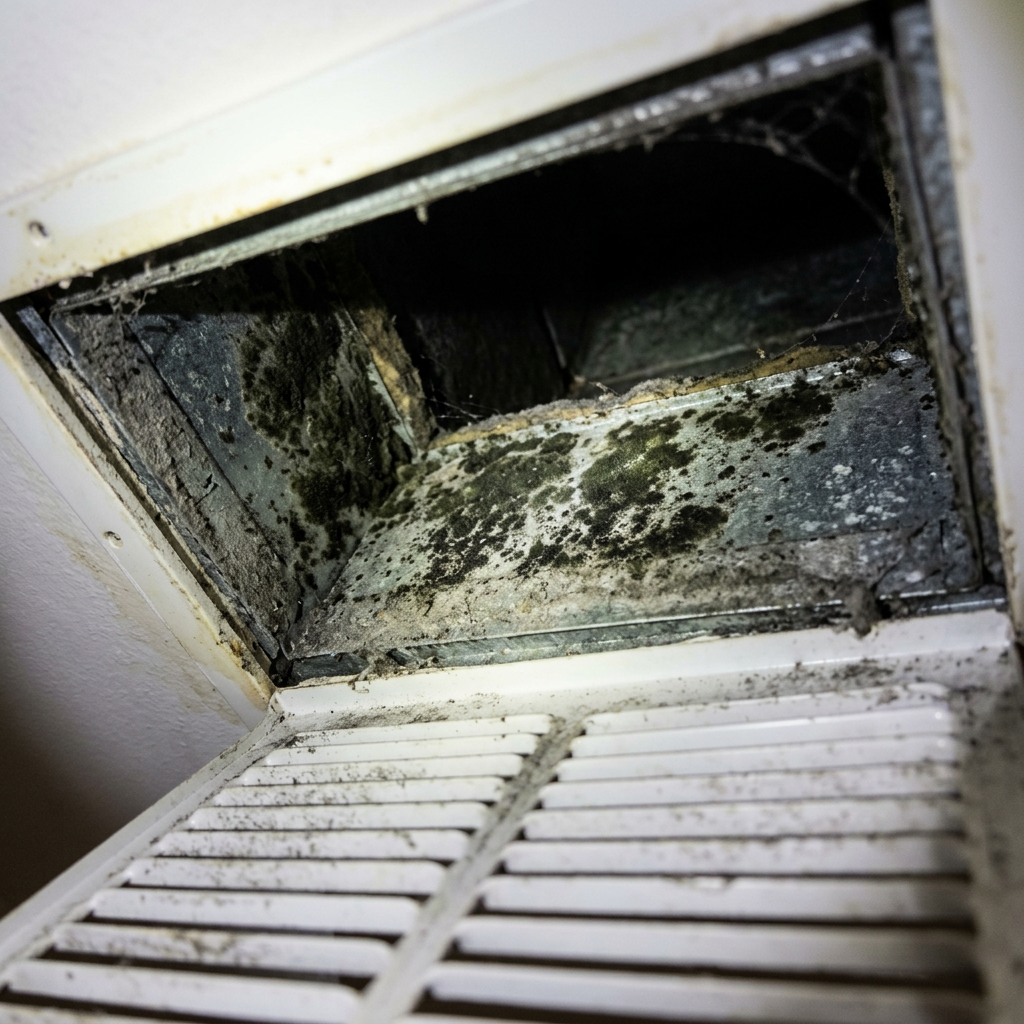
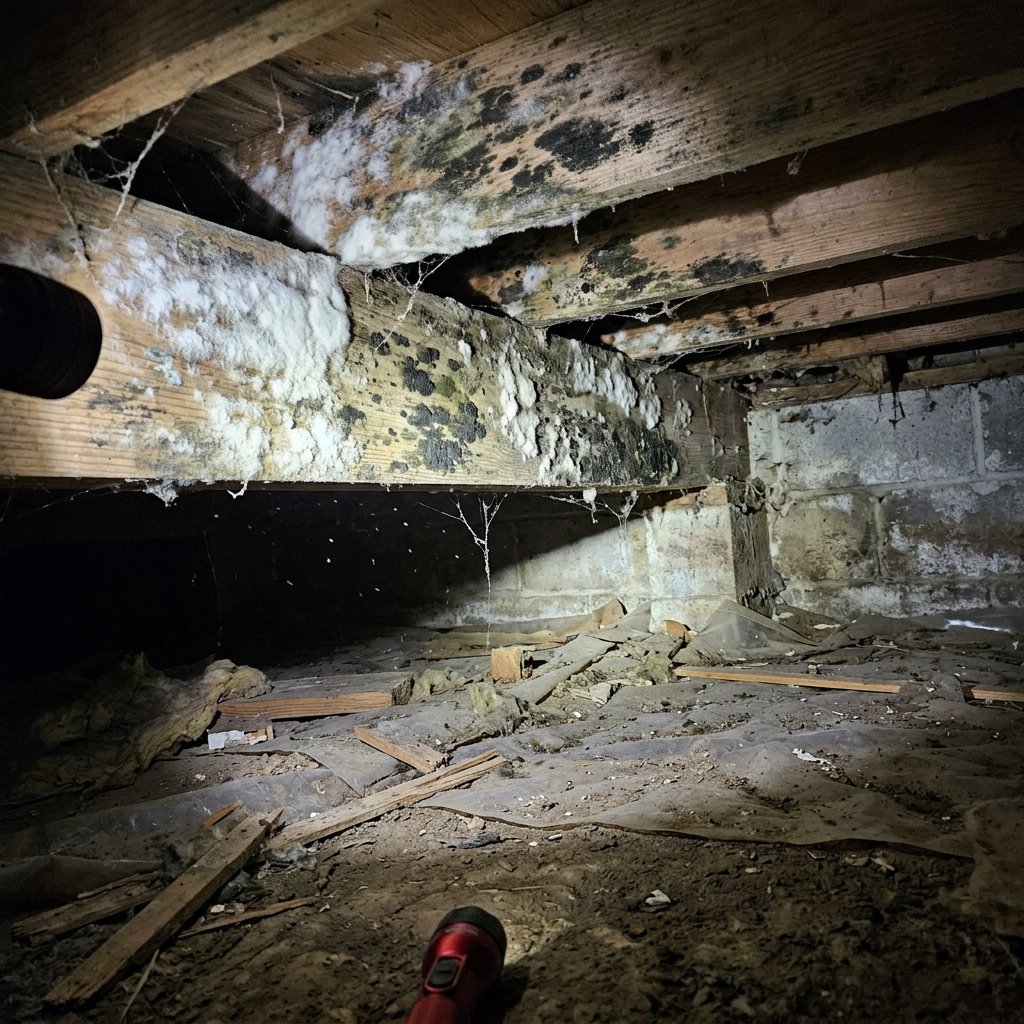
Aspergillus is the mold species most frequently found in South Florida homes. It typically appears as a powdery texture in colors ranging from yellow-green to black. In Coral Springs, we commonly find Aspergillus growing in HVAC systems, behind bathroom walls, and in attics with poor ventilation.
Health risks: Aspergillus can cause allergic reactions, respiratory infections, and in immunocompromised individuals, a serious condition called aspergillosis. Children and elderly residents are particularly vulnerable.
Stachybotrys Chartarum: Toxic Black Mold
Stachybotrys chartarum, commonly known as toxic black mold, is the species that causes the most concern among Coral Springs homeowners. It requires constant moisture to grow and typically appears in areas with chronic water damage — leaky roofs behind walls, under sinks with persistent plumbing leaks, and in properties that experienced flooding during hurricane season.
How to identify it: Black mold has a slimy, dark greenish-black appearance. It often has a distinctive musty odor even before visible growth appears. If you suspect black mold, do not attempt to clean it yourself — disturbing the colony releases thousands of toxic spores into the air.
Penicillium: The Blue-Green Invader
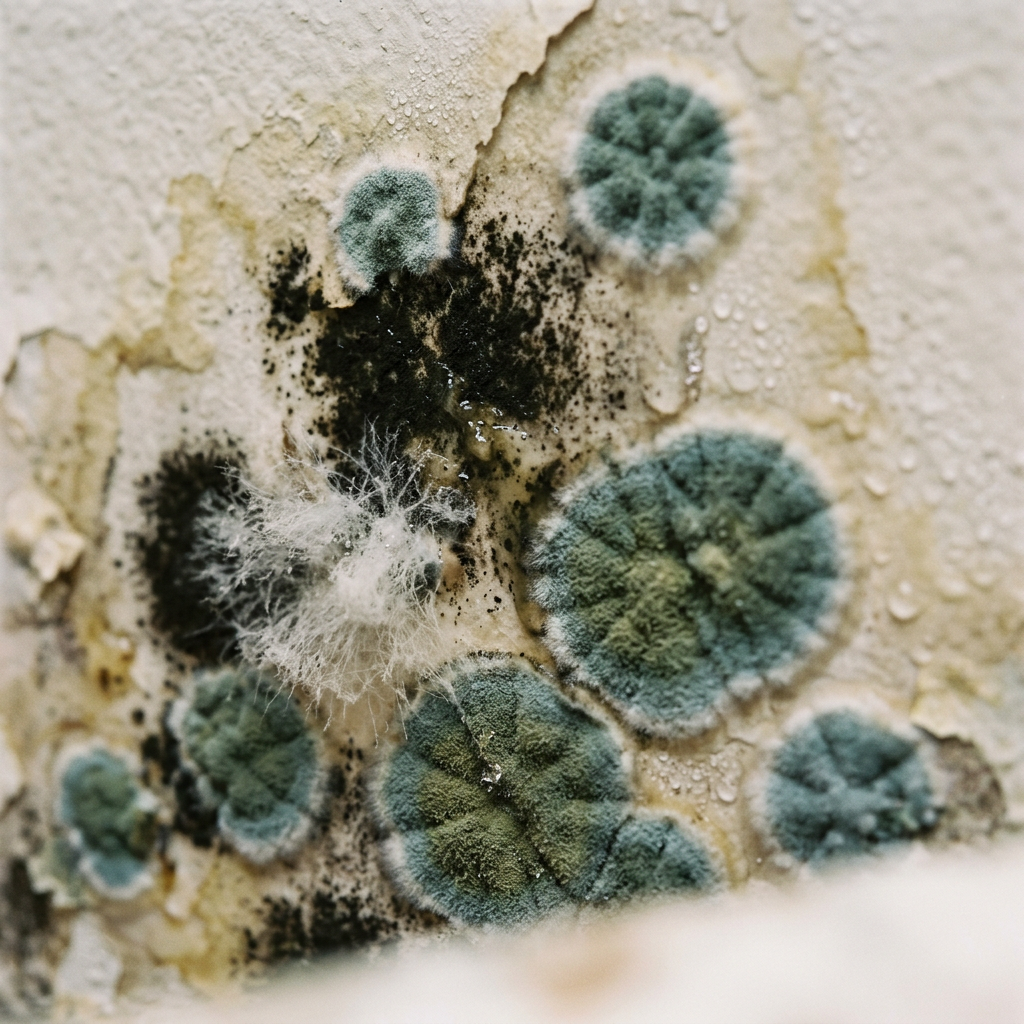
Penicillium grows rapidly in water-damaged materials and appears as a velvety blue-green or white growth. In Broward County homes, we frequently find it on wallpaper, carpet padding, and drywall that has been exposed to humidity or water intrusion. Penicillium spreads quickly — a small patch can colonize an entire wall within 48-72 hours in Florida's climate.
Cladosporium: The Outdoor Mold That Comes Inside
Cladosporium is unique because it can grow in both warm and cool temperatures. It appears as olive-green to brown spots and commonly enters Coral Springs homes through open windows, HVAC intakes, and on clothing. Once inside, it colonizes wood, textiles, and painted surfaces.
When to Call a Professional
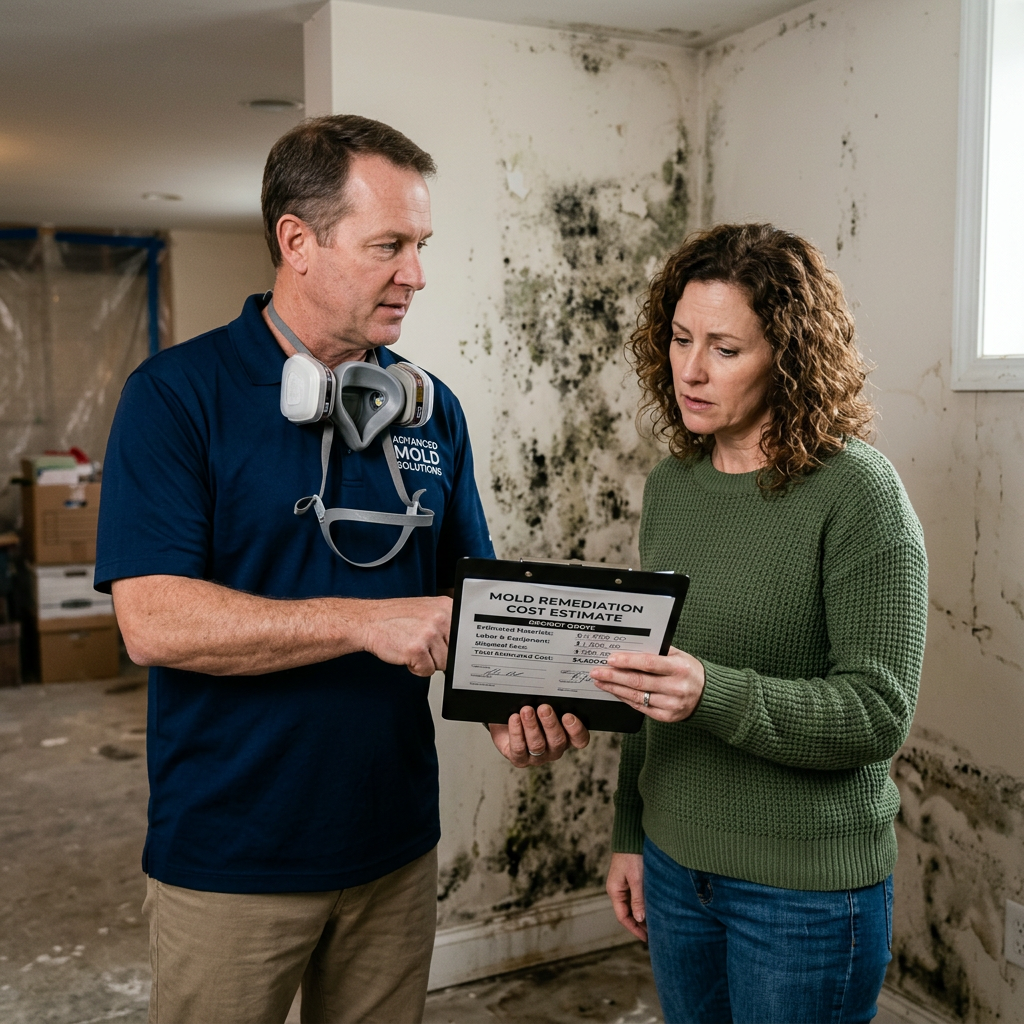
If you spot any mold covering an area larger than 10 square feet (roughly 3 feet by 3 feet), you need professional remediation. Additionally, call Gators Mold Medic immediately if:
- You smell musty odors but can't locate the source
- Family members experience unexplained respiratory symptoms
- Your home recently experienced water damage from a storm or plumbing failure
- You're buying or selling a home in Broward County
Our IICRC-certified team uses thermal imaging and air quality testing to detect mold hidden behind walls and in HVAC systems. Call (844) 393-2902 for a free inspection.
Need Mold Remediation in Coral Springs?
Free inspections. IICRC-certified. 24/7 emergency service throughout Broward County.