Mold Remediation Blog
Expert advice, tips, and insights on mold prevention, remediation, and maintaining a healthy home in Coral Springs, Florida.
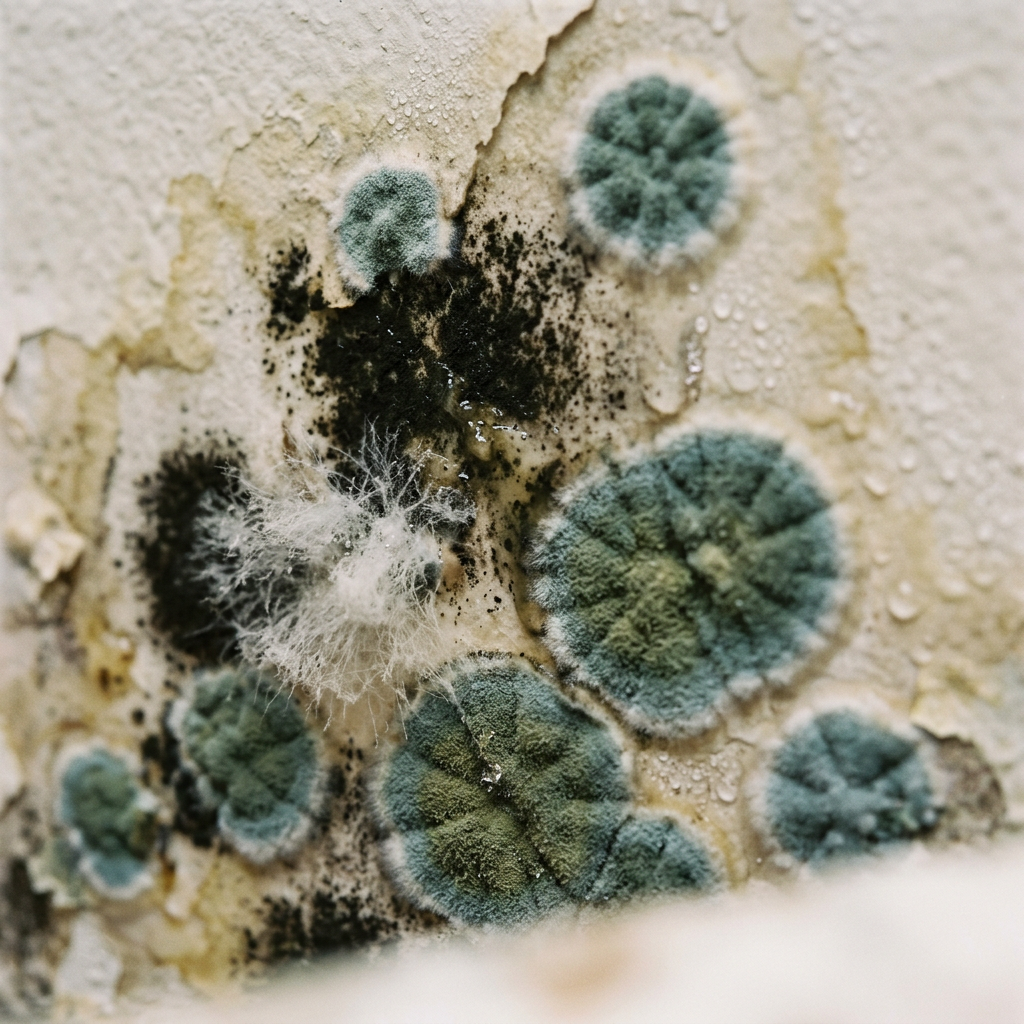
Common Mold Types in Coral Springs Homes: Identification Guide
Learn to identify the most common mold species found in Broward County homes, their health risks, and when to call professional remediation experts.
Read More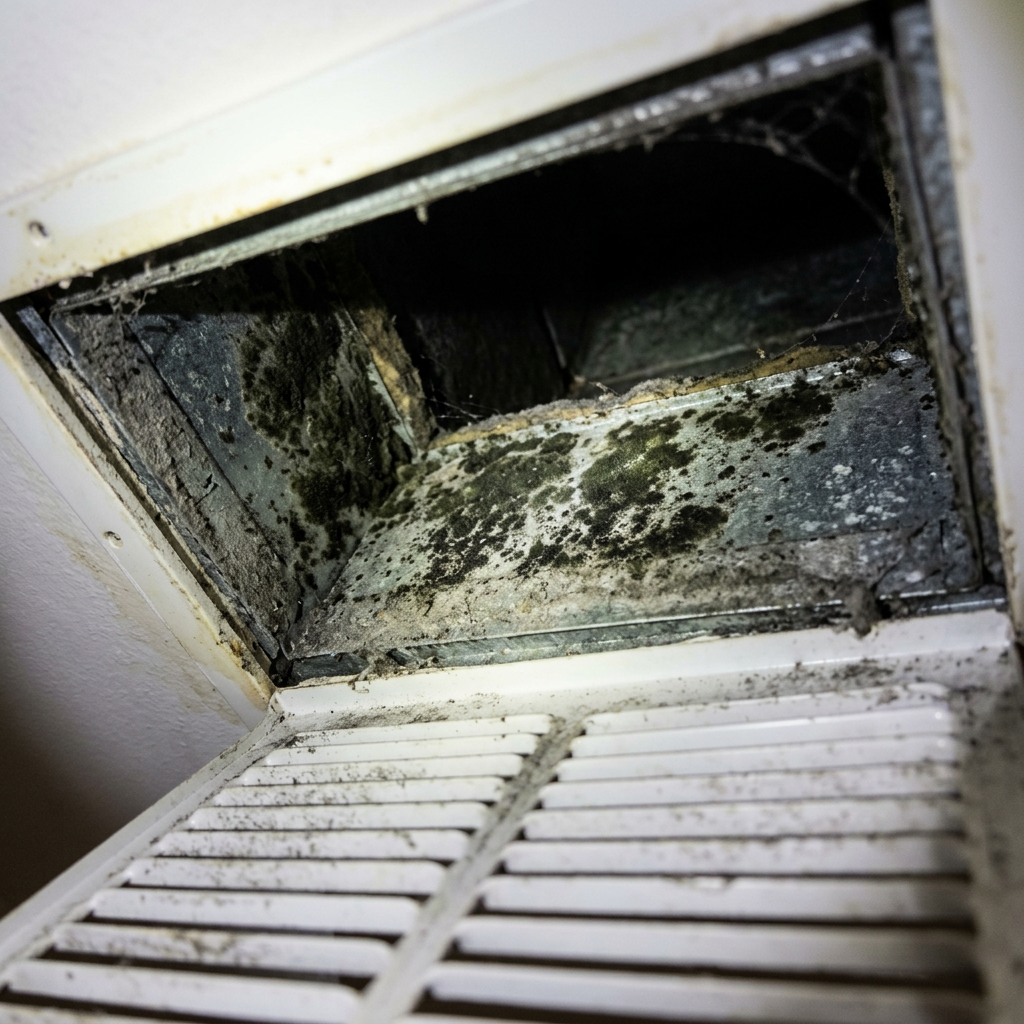
HVAC System Mold: Prevention and Solutions for Florida Homes
Your air conditioning system could be spreading mold spores throughout your entire home. Learn how to prevent HVAC mold growth in Florida's humid climate.
Read More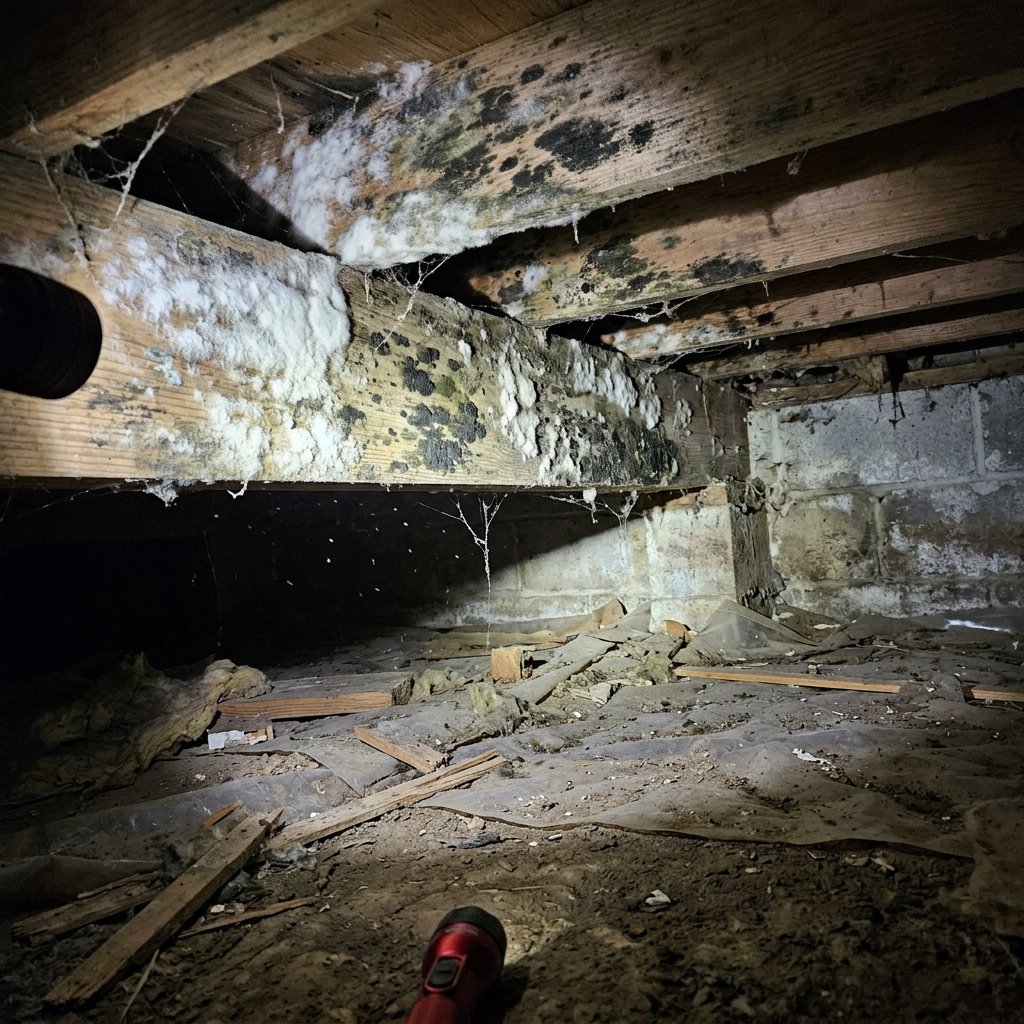
Crawl Space Mold in Broward County: What You Need to Know
Crawl spaces are mold hotspots in Coral Springs homes. Learn why, how to identify problems, and effective solutions for South Florida properties.
Read More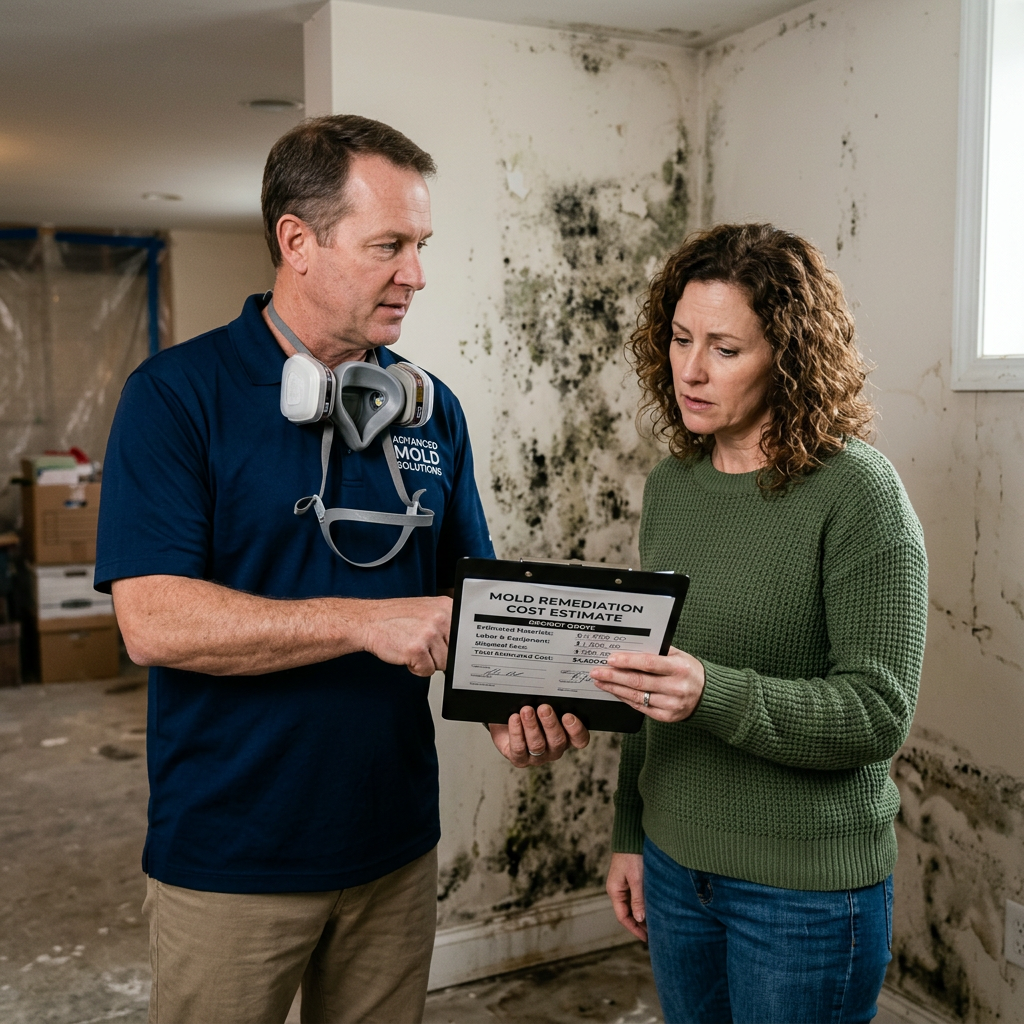
The Cost of Mold Remediation in Coral Springs: What to Expect
10 min read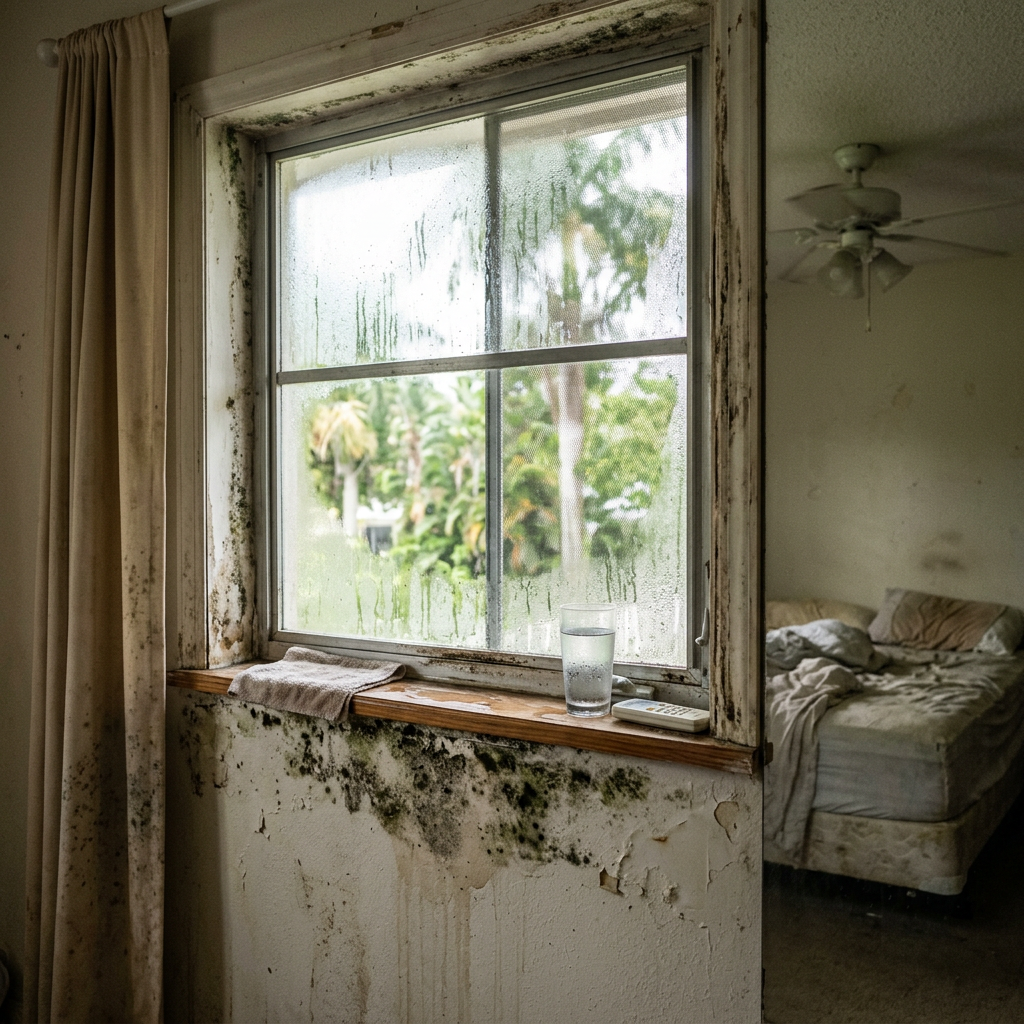
Seasonal Mold Problems in South Florida: A Month-by-Month Guide
12 min read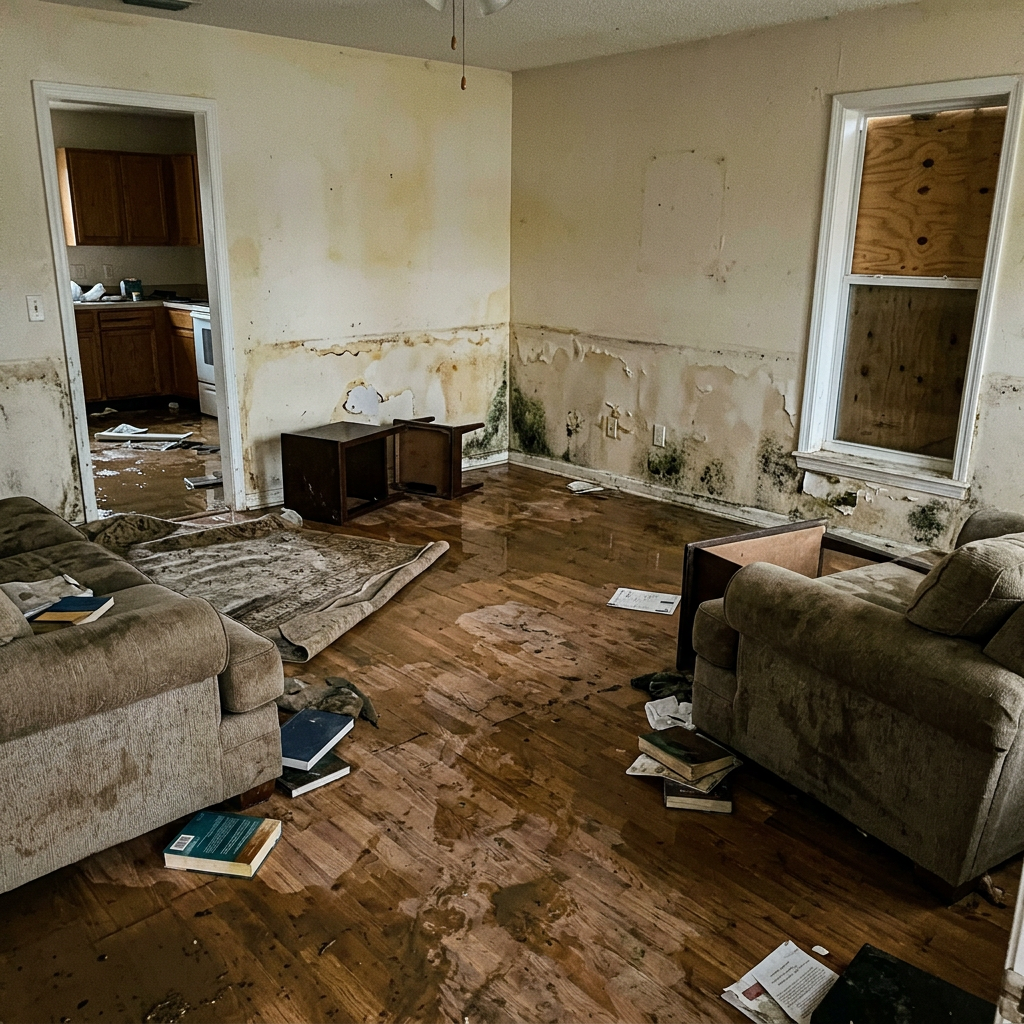
Dealing with Hurricane Mold Damage in South Florida
8 min read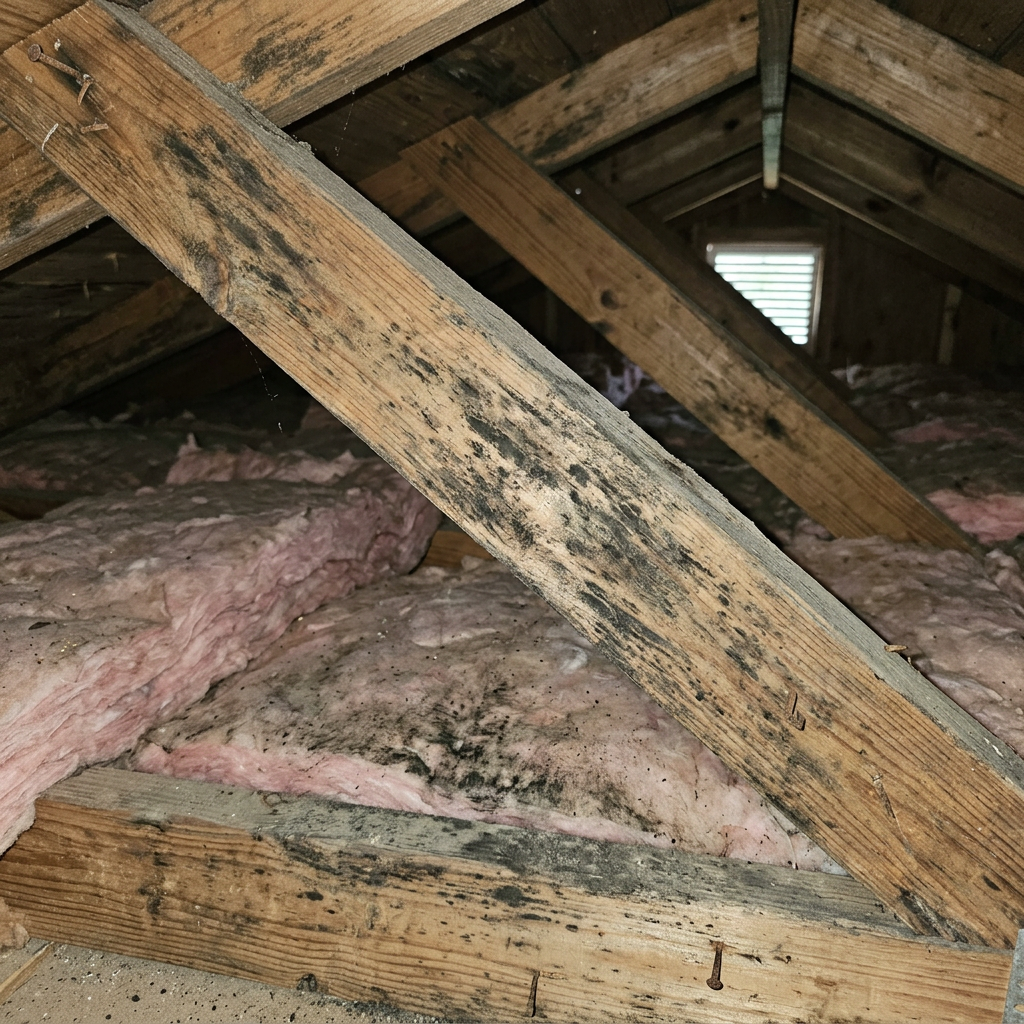
Attic Mold Prevention Tips for Florida Humidity
6 min read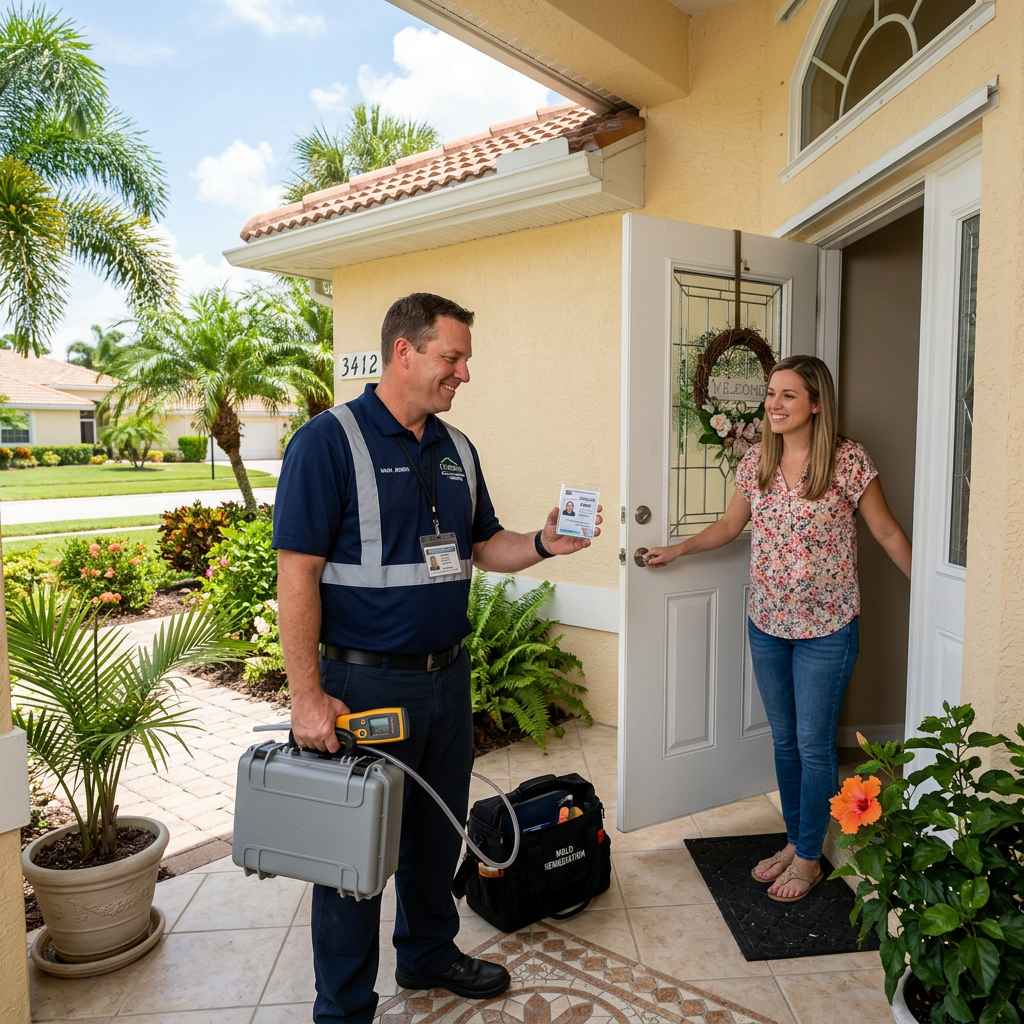
Choosing a Certified Mold Inspector in Broward County
9 min read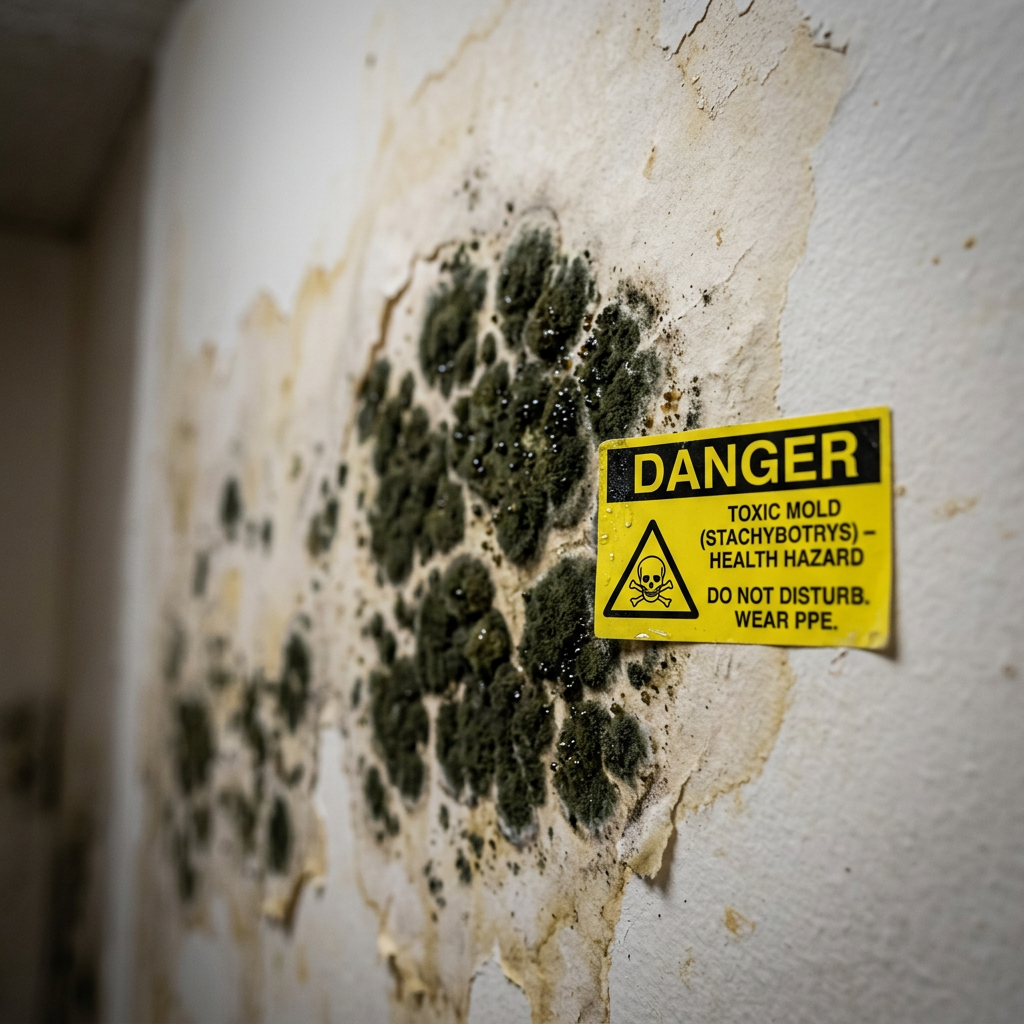
Understanding Black Mold: Dangers and Warning Signs
5 min read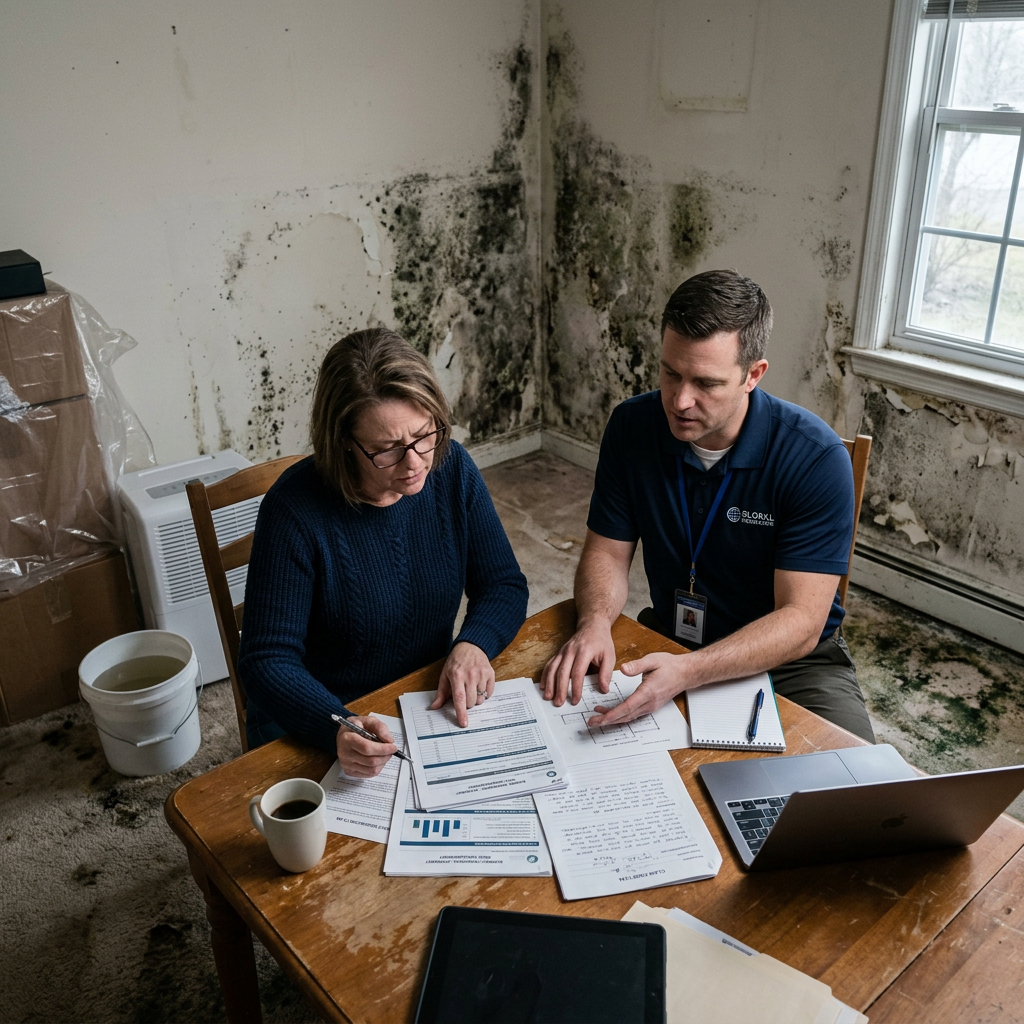
Does Homeowners Insurance Cover Mold Damage?
6 min read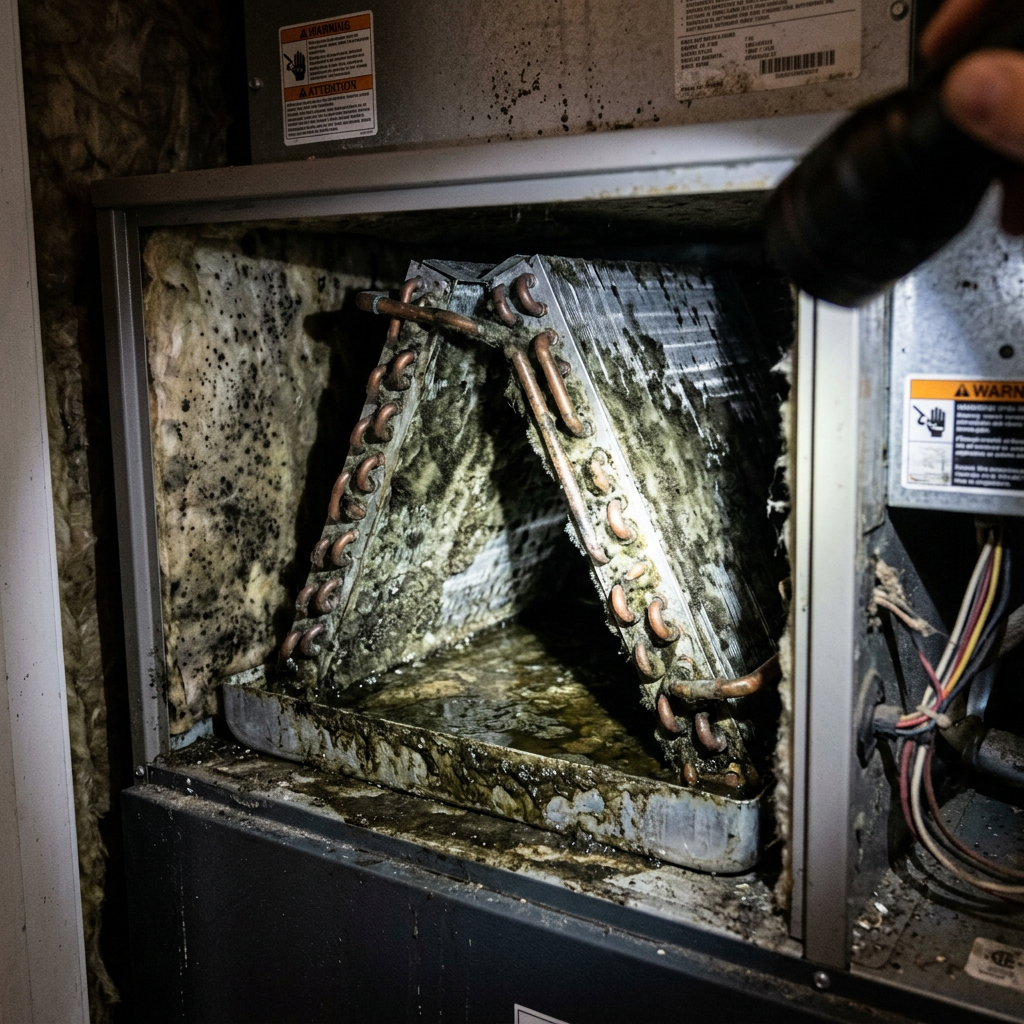
Mold in HVAC Systems: The Hidden Danger
4 min readSeasonal Mold & Water Damage Prevention
South Florida's climate shifts through the year — and so do the mold and water-damage risks. Here is what to focus on each season, plus our top seasonal guides.
Spring (Mar–May)
Inspect and tune up your AC before the cooling season. Re-caulk windows and check sprinkler heads so they do not spray the foundation.
Summer (Jun–Aug)
Peak mold season. Keep indoor humidity below 50%, change AC filters monthly, and clear the condensate drain line with vinegar.
Fall (Sep–Nov)
Hurricane peak. After any storm, inspect for water intrusion within 24 hours and dry wet areas fast — mold starts in 24–48 hrs.
Winter (Dec–Feb)
Cooler but not mold-free. Watch for AC condensation inside walls and hidden summer mold that odors reveal as the home closes up.
Dig Deeper: Seasonal Guides
HVAC System Mold: Prevention and Solutions for Florida Homes
Read MoreSeasonal Mold Problems in South Florida: A Month-by-Month Guide
Read MoreDealing with Hurricane Mold Damage in South Florida
Read MoreWant a full seasonal checklist? See our Safety & Prevention guide for a month-by-month action plan.
AC & Mold Prevention: Surviving a South Florida Summer
From June through September, Coral Springs temperatures stay in the 90s with 80%+ humidity. Your AC is your first line of defense against mold — here's how to keep it working for you, not against you.
Replace Air Filters Every 30 Days
Florida summers mean your AC runs constantly. Clogged filters restrict airflow, causing condensation and moisture buildup that feeds mold. Use MERV 11 or higher filters during summer months.
Keep Thermostat Below 78°F
When indoor temps exceed outdoor dew point, condensation forms on walls, windows, and ductwork. Maintaining 72-78°F keeps humidity in check and prevents mold-friendly conditions.
Monitor Indoor Humidity (Keep Below 60%)
South Florida summer humidity regularly hits 80%+. Your AC dehumidifies as it cools, but if it can't keep up, add a whole-home dehumidifier. Ideal range: 40-50% RH.
Clear Condensate Drain Lines
AC drain lines clog with algae and debris during heavy summer use. A backed-up drain pan overflows into walls and ceilings, causing hidden mold. Flush monthly with vinegar.
Don't Turn AC Completely Off
Turning your AC off while away lets humidity spike above 70% in hours. Set it to 80°F when away — it costs less than mold remediation and prevents condensation on surfaces.
Schedule Pre-Summer AC Tune-Up
Have a licensed HVAC tech inspect refrigerant levels, clean coils, and check drain pans before June. A struggling AC unit dehumidifies poorly and creates mold conditions.
Warning Signs Your AC May Be Growing Mold
- Musty smell when AC first kicks on
- Water stains near indoor air handler
- Visible mold on AC vents or around registers
- Higher than normal humidity readings
- AC running constantly but not cooling well
- Water dripping from the condensate line
Think Your AC Has Mold?
Mold in your HVAC system spreads spores to every room in your home. Our certified technicians inspect ductwork, coils, drain pans, and air handlers — then clean and treat with EPA-approved antimicrobial solutions.
Water Damage? We Extract, Dry & Restore — Fast
Burst pipe? Hurricane flooding? Roof leak? Our IICRC-certified team responds in under 60 minutes anywhere in Coral Springs & Broward County. Industrial water extraction, structural drying, and mold prevention — all in one call.

Have a Mold Problem?
Don't wait - get a free inspection today from Coral Springs' trusted mold experts.

