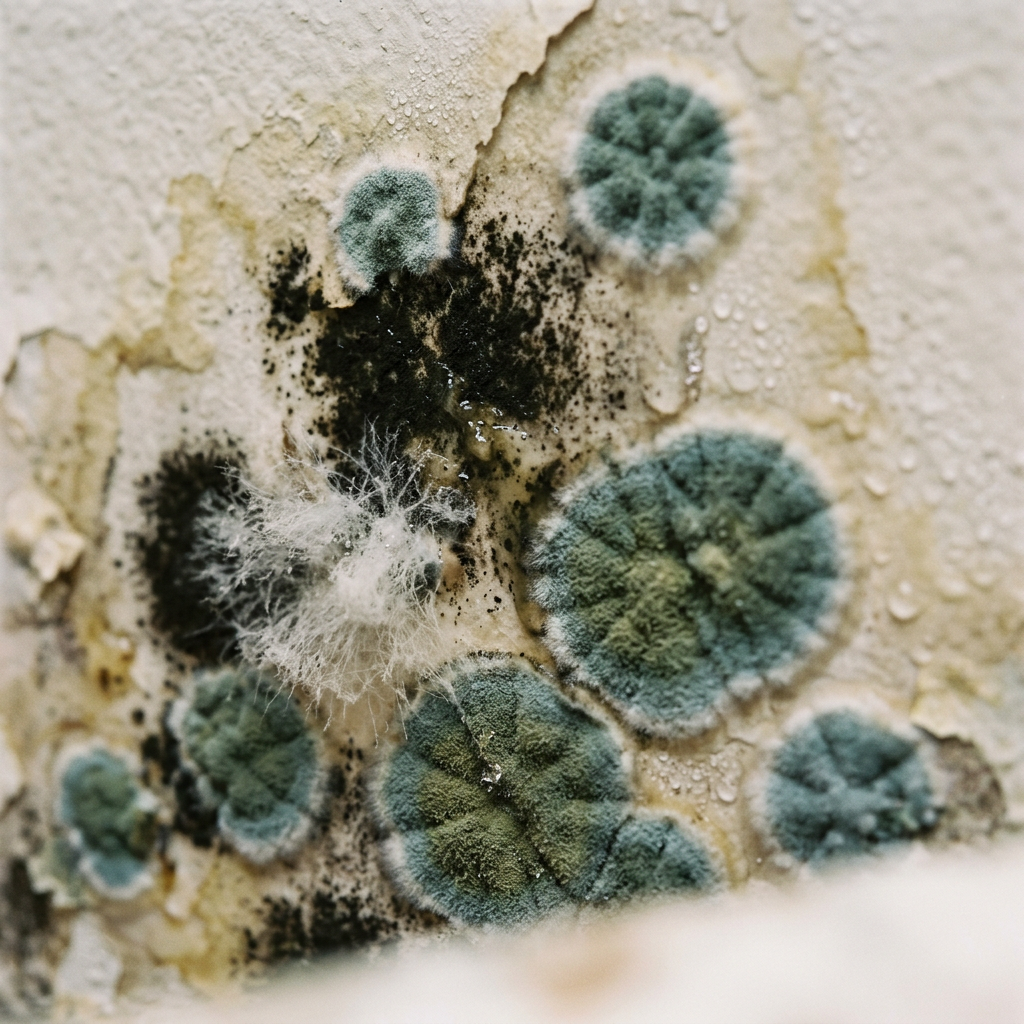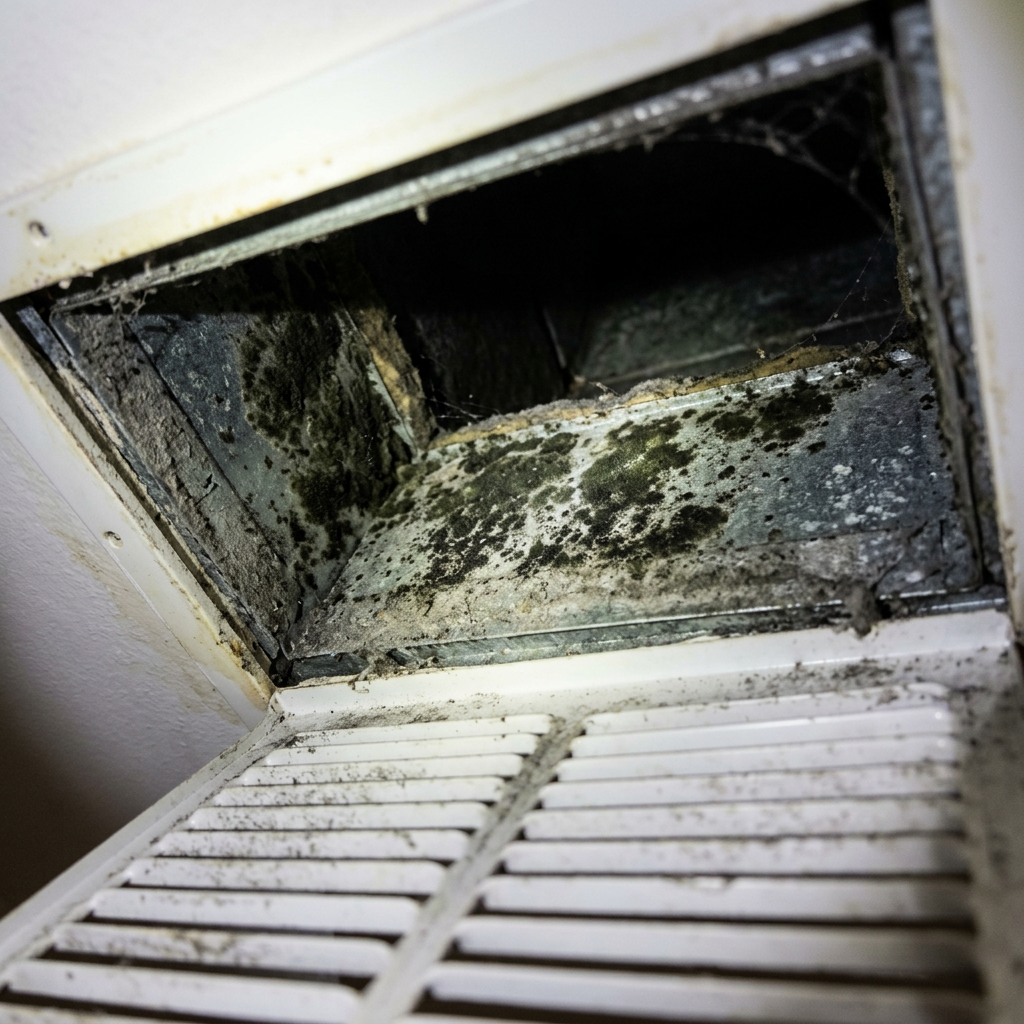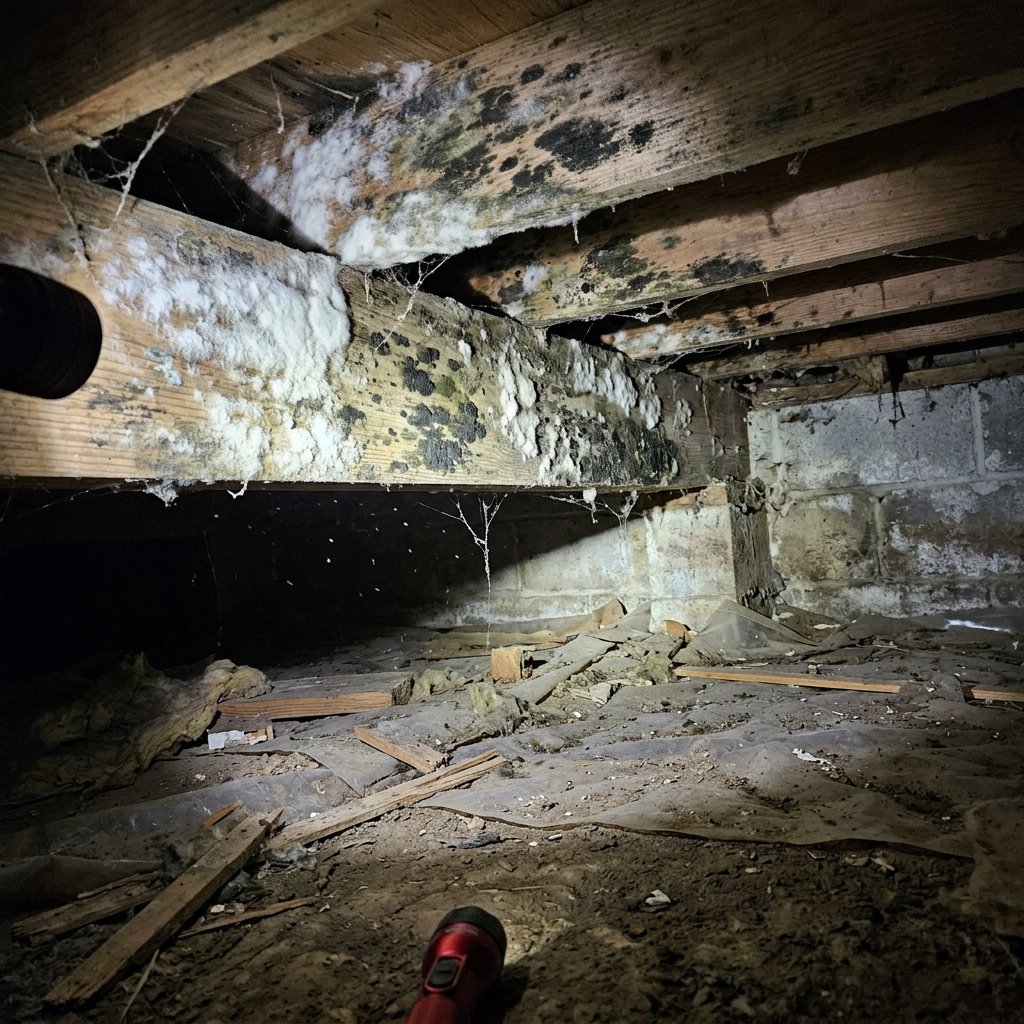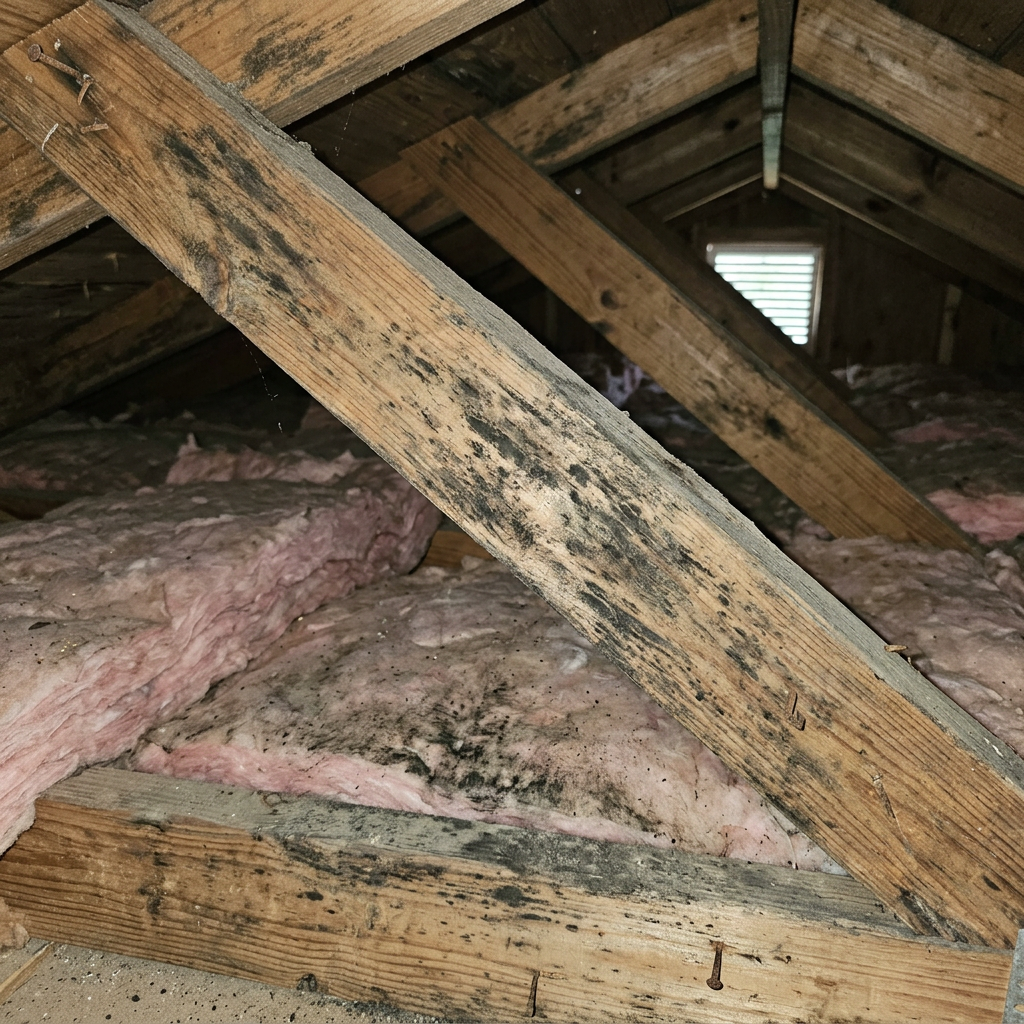
Attic mold is one of the most common problems we encounter in Coral Springs homes. In Florida's climate, attic temperatures can reach 140°F or higher during summer, and when that heat meets moisture from inadequate ventilation, mold grows rapidly on roof sheathing and rafters. Here's how to prevent it.
Understanding the Problem
In a properly ventilated attic, air enters through soffit vents at the bottom, rises as it warms, and exits through ridge vents at the top. This continuous airflow keeps moisture levels low. But many Coral Springs homes have inadequate ventilation — either blocked soffit vents, insufficient vent area, or a mix of incompatible vent types that short-circuit airflow.
When warm, moist air from your living space rises into the attic (through gaps around light fixtures, plumbing penetrations, and the attic access panel), it hits roof sheathing that can be 40-60 degrees cooler than the air. Condensation forms, and mold follows.
Prevention Strategies
1. Ensure Proper Ventilation
A general rule: you need 1 square foot of ventilation for every 300 square feet of attic floor space, split evenly between intake (soffit) and exhaust (ridge or gable) vents.
- Check soffit vents — in many Coral Springs homes, insulation blocks soffit vents. Install baffles to keep insulation away from vent areas.
- Don't mix vent types — using both ridge vents and gable vents can short-circuit airflow. Pick one exhaust type.
- Consider a powered attic ventilator — in extreme cases, a solar-powered attic fan can supplement passive ventilation.
2. Seal Air Leaks from Living Space
Moisture enters your attic from below. Common leak points in South Florida homes:
- Recessed light fixtures — install IC-rated airtight covers
- Bathroom exhaust fans — ensure they vent to the exterior, not into the attic
- Plumbing penetrations — seal gaps around pipes with expanding foam
- Attic access panel — weather-strip the hatch and add an insulated cover
3. Check Insulation Levels
Florida building code recommends R-30 to R-38 attic insulation. Many older Coral Springs homes have R-19 or less. Adequate insulation keeps warm, moist air from reaching the cooler attic surfaces where condensation occurs.
4. Inspect for Roof Leaks
Even small roof leaks introduce enough moisture for mold growth. After any storm, check your attic for:
- Water stains on roof sheathing
- Damp insulation
- Musty odors
- Visible mold growth (typically dark spots on wood)
5. Control Indoor Humidity
Your attic reflects your home's indoor humidity. If your AC isn't adequately dehumidifying your living space, that moisture migrates upward. Keep indoor humidity below 50% — use a hygrometer to monitor.
Signs You Already Have Attic Mold
- Dark streaks or spots on roof sheathing (visible from the attic access)
- Musty smell in upper-floor rooms
- Shingles with dark stains (mold growing through from underneath)
- Higher than normal AC bills (wet insulation loses effectiveness)
If you see any of these signs, don't wait. Attic mold spreads along roof sheathing and can compromise structural integrity. Call (844) 393-2902 for a free attic inspection.
Need Mold Remediation in Coral Springs?
Free inspections. IICRC-certified. 24/7 emergency service throughout Broward County.