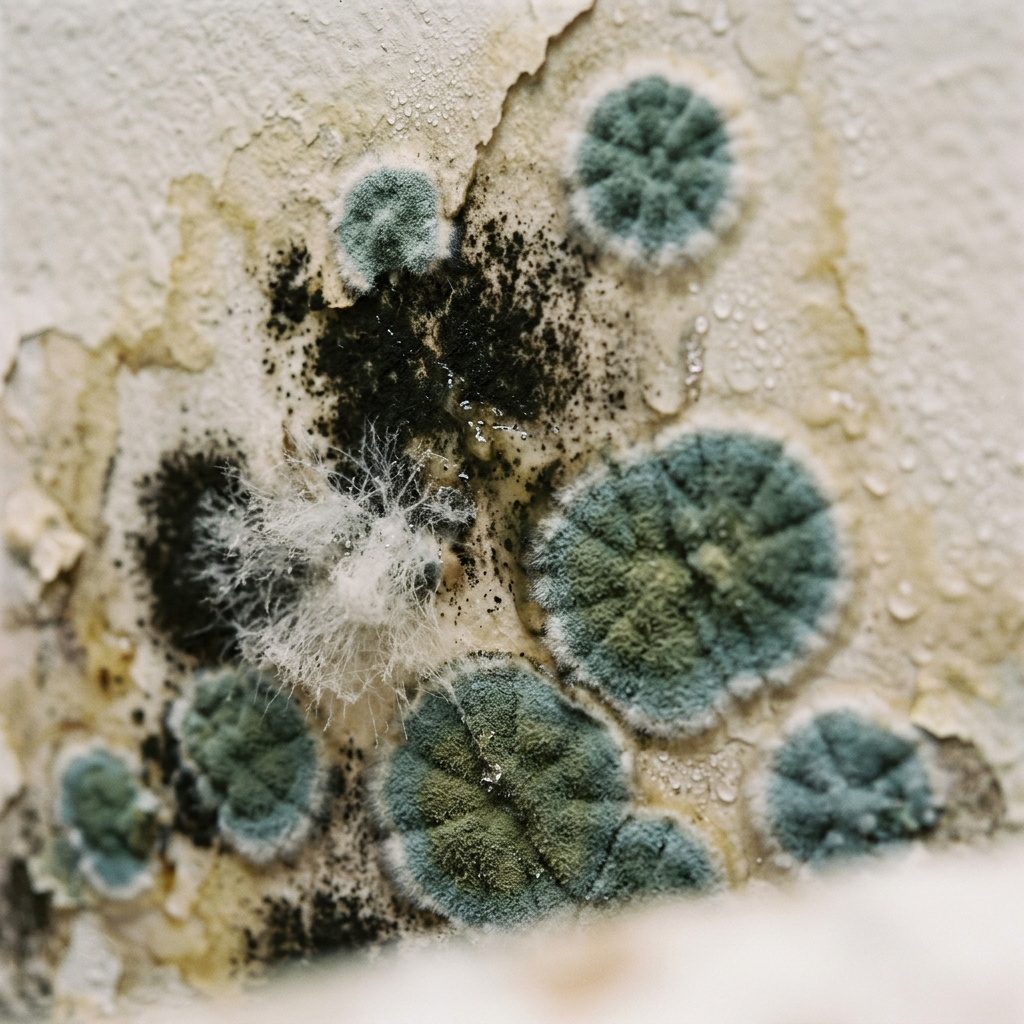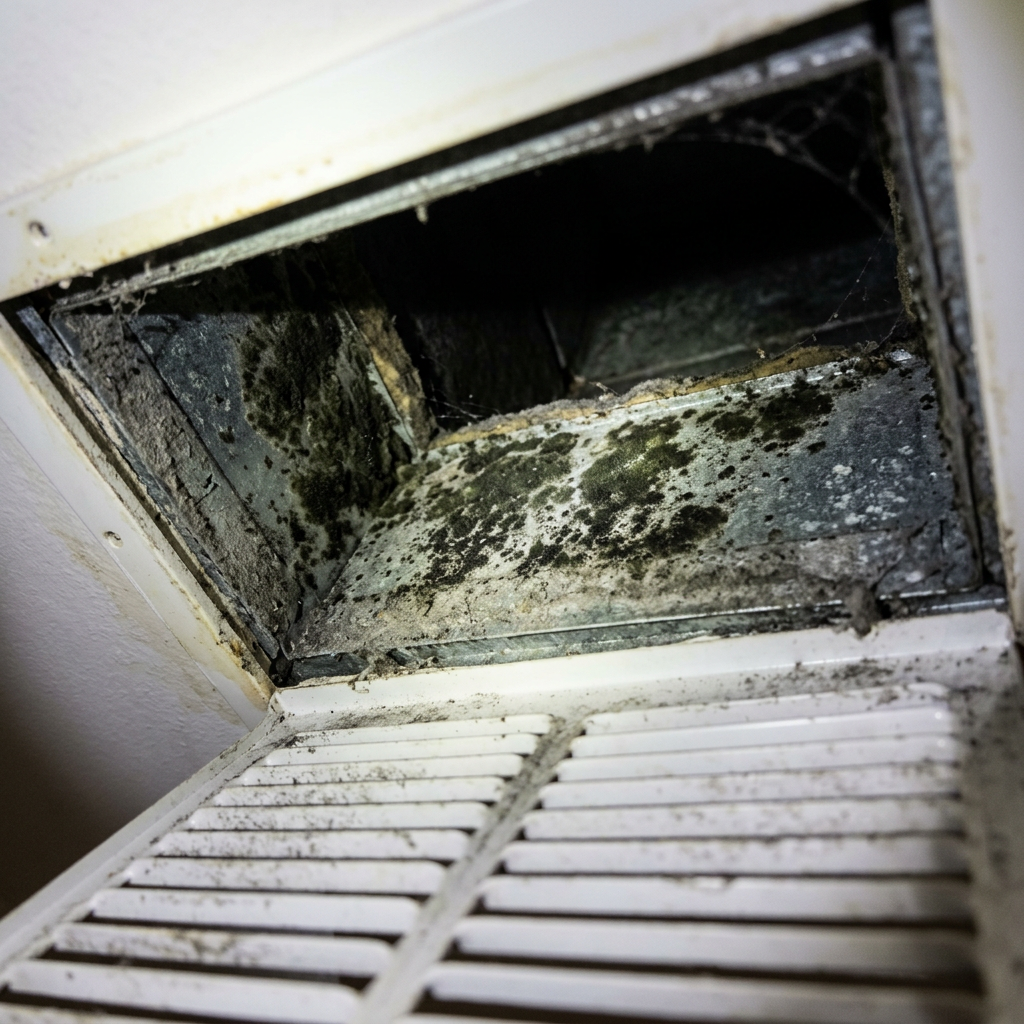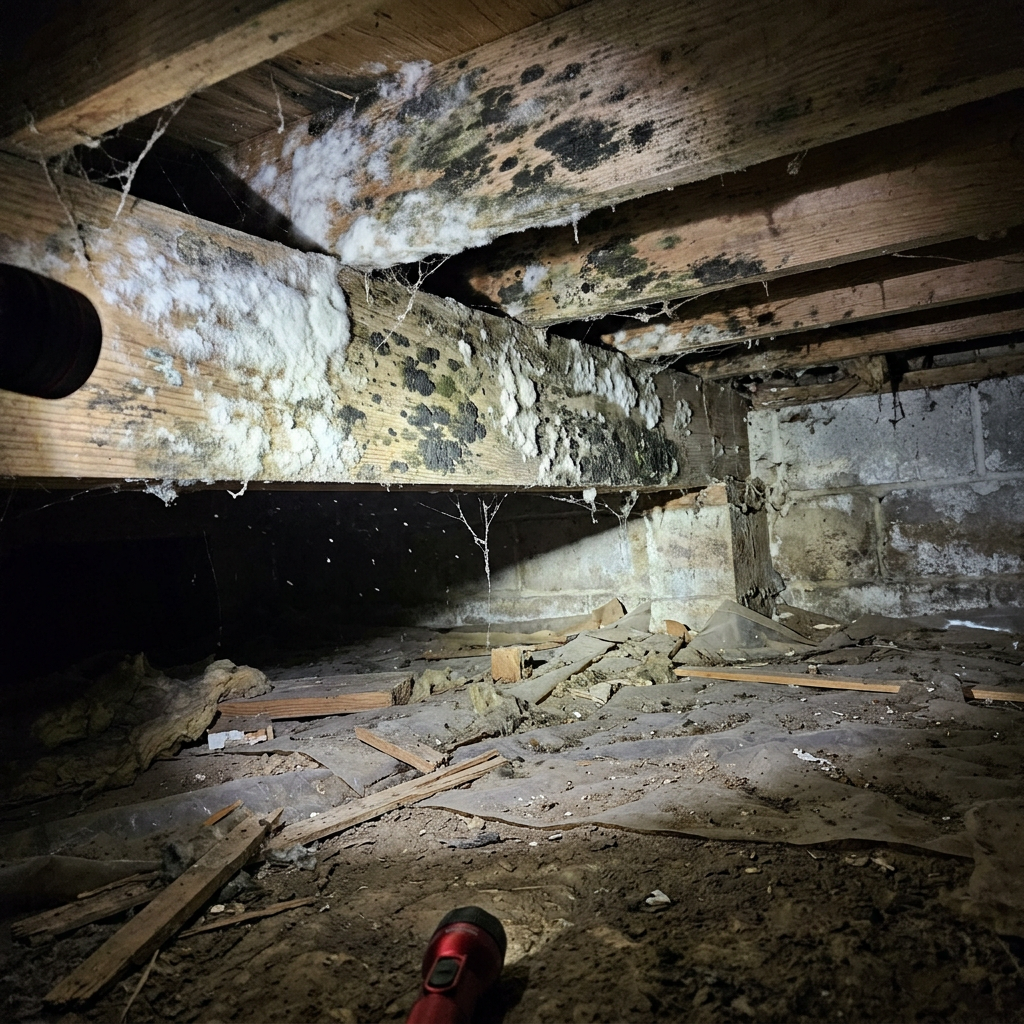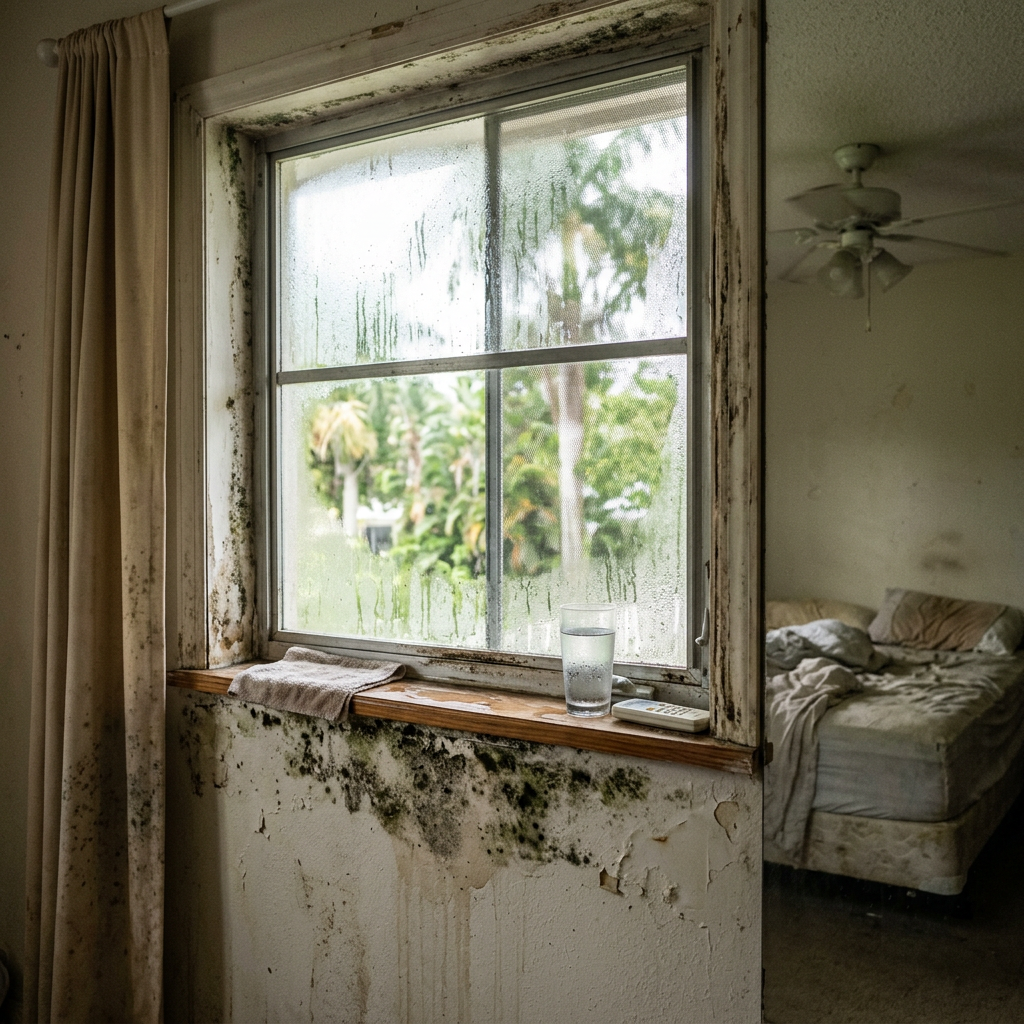
Coral Springs sits in a humid subtropical climate zone, which means mold isn't just a summer problem — it's a year-round challenge. Each season brings different conditions that favor different types of mold growth. Understanding these seasonal patterns helps you stay ahead of problems before they start.
January – February: The Dry Season Myth
While South Florida's winter is drier than summer, mold problems don't disappear. During these months, the main mold risk comes from:
- AC condensation — temperature differentials between cool indoor air and warmer exterior walls create condensation inside wall cavities
- Holiday cooking moisture — increased cooking during holidays adds humidity that lingers in poorly ventilated homes
- Roof leaks from winter cold fronts — occasional winter storms bring wind-driven rain that exploits roof vulnerabilities
What to do: Run bathroom exhaust fans for 30 minutes after showering. Check ceilings after any rain for water stains.
March – April: Transition Season
Spring in Broward County brings rising temperatures and the beginning of increased humidity. This is when we start seeing the first mold outbreaks of the year.
- Windows left open — as temperatures become pleasant, homeowners open windows, introducing humid outdoor air that condenses on cooler interior surfaces
- AC system startup issues — systems that sat unused during winter may have accumulated dust and moisture that needs clearing
- Spring landscaping irrigation — sprinkler heads adjusted for spring can direct water toward foundations
What to do: Have your AC system inspected before the heavy cooling season begins. Check sprinkler heads to ensure they're not spraying toward your home's foundation.
May – June: The Humidity Ramp-Up
This is when mold problems begin in earnest. Humidity climbs above 70%, afternoon thunderstorms become daily, and AC systems work harder.
- First mold blooms — areas with pre-existing moisture issues suddenly show visible growth
- Window seal failures — rain driven by afternoon storms finds its way through compromised window seals
- Condensation on AC ducts — ductwork in attics develops condensation as cool air meets hot, humid attic air
What to do: Replace AC filters monthly. Run dehumidifiers in areas that feel humid. Inspect window seals and re-caulk as needed.
July – August: Peak Mold Season
These are the most challenging months for Coral Springs homeowners. Average humidity exceeds 80%, temperatures hit 90°F+, and thunderstorms are frequent. Mold grows 3-5x faster during these months than in winter.
- Attic mold outbreaks — attic temperatures can reach 140°F+ with high humidity, creating ideal conditions for mold on roof sheathing
- AC drain line clogs — heavy AC usage produces more condensation, and algae growth in drain lines causes water backups
- Slab floor condensation — concrete slab foundations in Coral Springs homes sweat moisture during peak humidity
- Storm damage mold — wind-driven rain from summer storms causes roof and siding leaks that lead to rapid mold growth
What to do: Keep AC set to 78°F or below to control indoor humidity. Check attic ventilation. Clear AC drain lines with vinegar monthly.
September – October: Hurricane Season Peak
Hurricane season peaks in September, and even without a direct hit, Coral Springs frequently experiences heavy rainfall, power outages, and wind damage.
- Post-storm mold — power outages mean no AC, causing indoor humidity to spike rapidly. Mold can begin growing within 24-48 hours without climate control
- Roof and window leaks — storm damage creates new water entry points
- Yard flooding — standing water near foundations seeps into crawl spaces and through slab foundations
What to do: After any storm, inspect your home immediately for water intrusion. If you lose power, open interior doors for air circulation but keep windows closed. Use battery-powered fans if available.
November – December: Late Season Risks
Humidity begins to drop, but this season brings its own mold challenges.
- Hidden mold discovery — mold that grew during summer behind walls or in attics often becomes noticeable as homes are closed up and odors concentrate
- Holiday decorations — stored decorations brought down from attics or garages may carry mold spores into living areas
- Heater first-use — the few cold nights that require heating can release dust and mold spores accumulated in ductwork
What to do: When bringing stored items inside, inspect for visible mold or musty odors. Run AC fans for 30 minutes before using heat for the first time.
Year-Round Vigilance
The key to managing mold in Coral Springs is understanding that the threat never fully goes away. Our climate supports mold growth 365 days a year — the species and locations change, but the risk is constant. Regular inspections, proactive moisture management, and quick response to any water intrusion are your best defenses.
Need help identifying seasonal mold risks in your home? Call (844) 393-2902 for a free inspection.
Need Mold Remediation in Coral Springs?
Free inspections. IICRC-certified. 24/7 emergency service throughout Broward County.