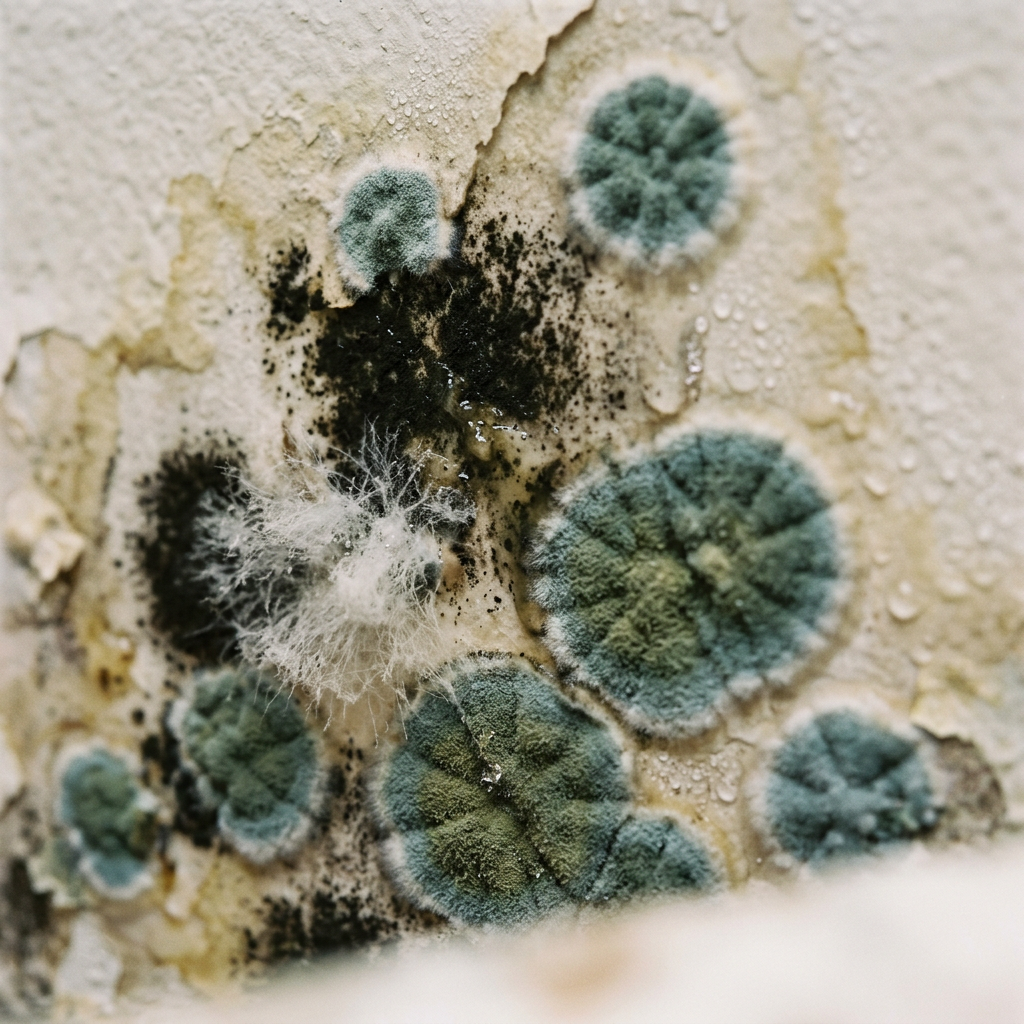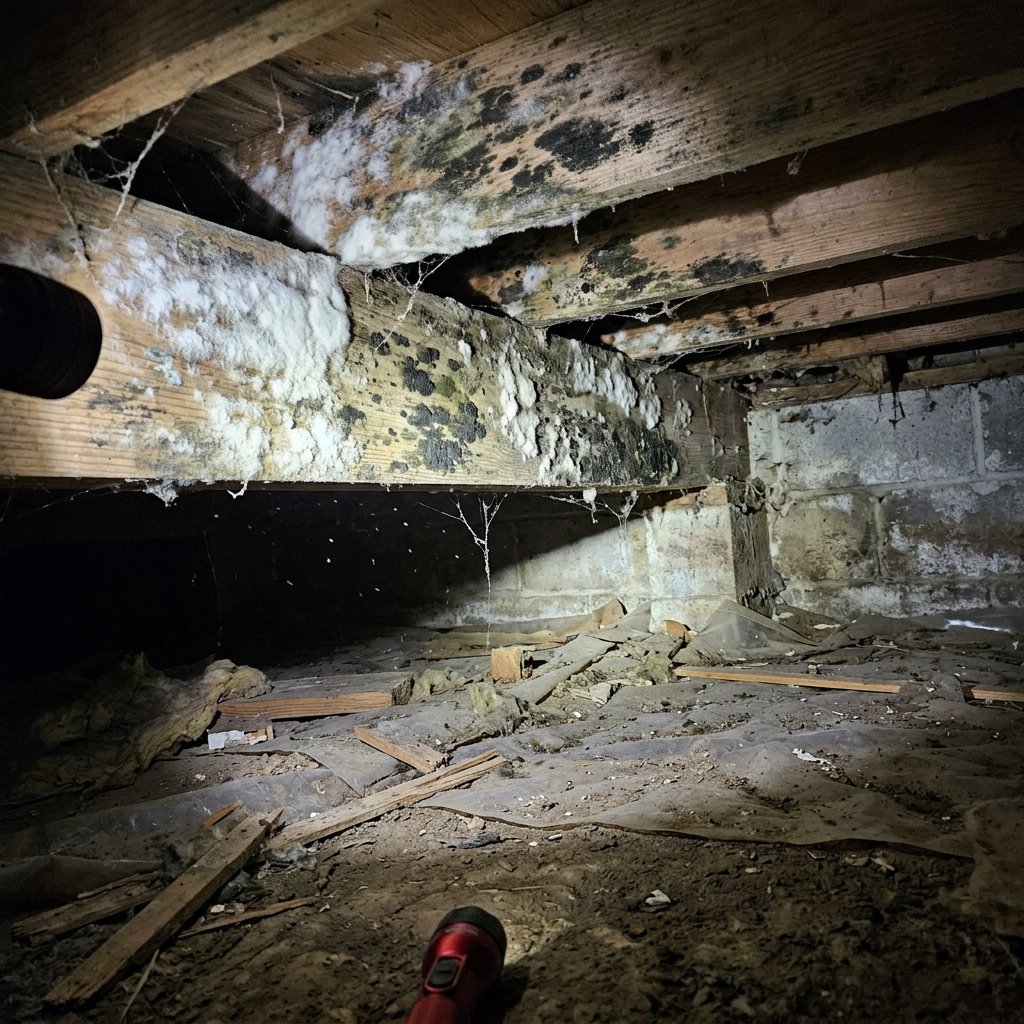
Your HVAC system is the lungs of your home. In Coral Springs, where air conditioning runs nearly year-round, what's growing inside your ductwork directly affects the air your family breathes. Mold in HVAC systems is particularly dangerous because it's invisible — you can't see inside your ductwork — yet it distributes spores throughout every room.
How Mold Gets Into Your HVAC System
Mold enters HVAC systems through two primary pathways:
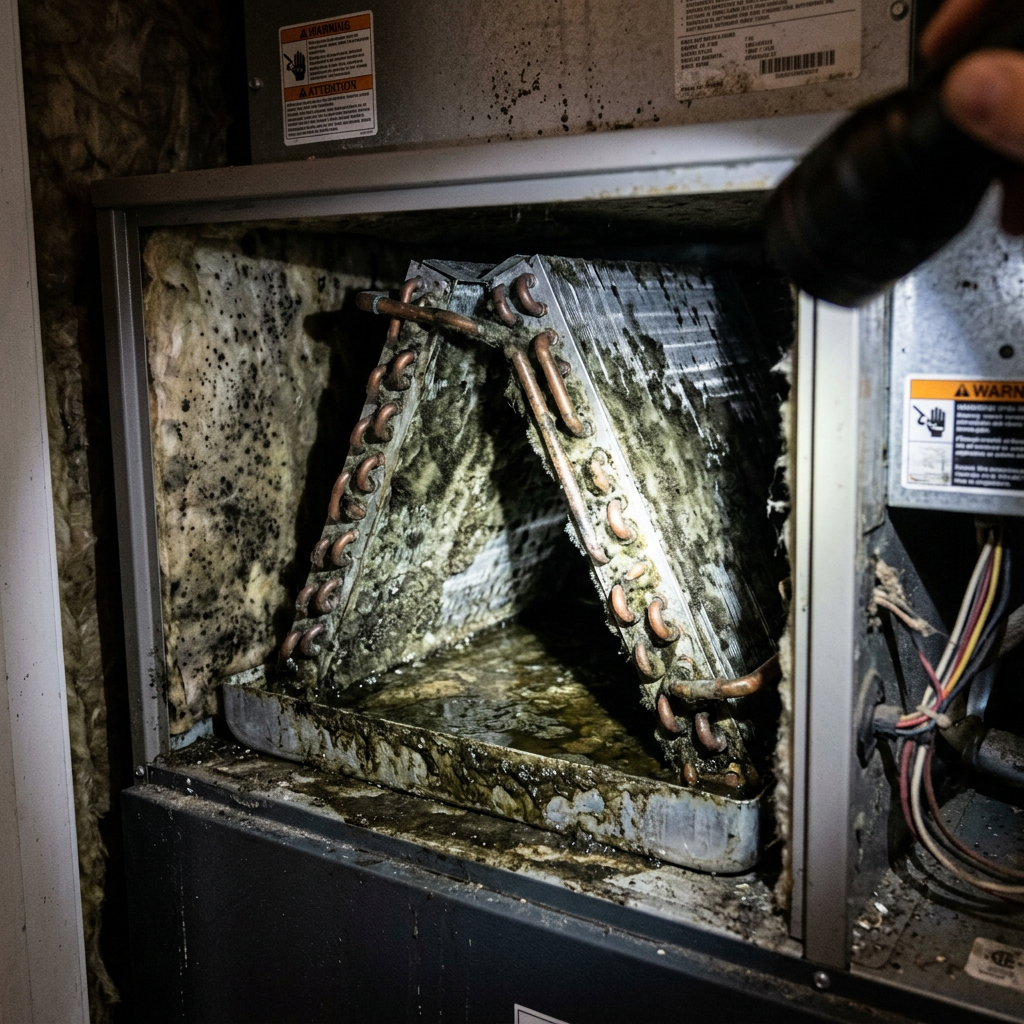
1. Moisture in the system. Your AC naturally produces condensation as it cools warm air. When condensation doesn't drain properly — due to clogged drain lines, frozen coils, or improper installation — water pools inside the air handler and ductwork. This standing water, combined with Florida's warm temperatures, creates ideal mold growing conditions.
2. Return air contamination. Mold spores from elsewhere in your home (a bathroom, under a sink, in an attic) are pulled into the return air system and distributed throughout the ductwork. The dark, damp environment inside ducts allows these spores to colonize.
The Warning Signs
Because you can't see inside your ductwork, you need to rely on indirect signs:
- Musty or stale odors when the AC runs — the most reliable indicator
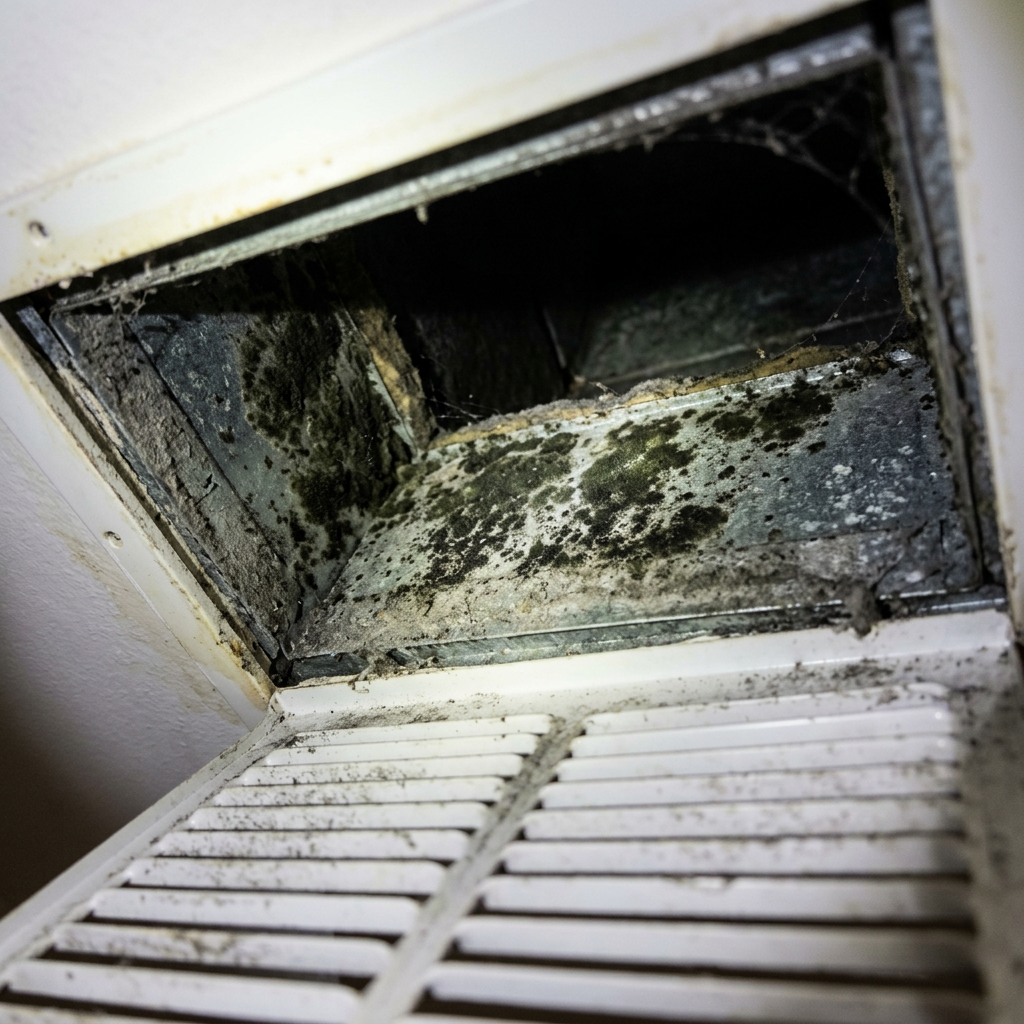
- Visible mold on vent covers — dark spots around supply registers
- Allergy symptoms that worsen indoors — sneezing, coughing, itchy eyes when AC is running
- Dust accumulation around vents — excessive dust can contain mold spores
- Uneven cooling between rooms — mold growth can restrict airflow in ductwork
- Increased energy bills — restricted airflow forces the system to work harder
Why It's Particularly Dangerous in South Florida
Coral Springs homes face unique HVAC mold risks:
- Year-round AC usage means constant condensation production
- High outdoor humidity means the AC works harder and produces more condensation
- Many older Broward County homes have ductwork in unconditioned attics where temperature extremes cause condensation inside ducts
- Hurricane season can introduce water into ductwork through storm damage
Health Impact
When mold grows in your HVAC system, every room in your home receives a dose of mold spores with each cooling cycle. Continuous exposure can cause:
- Chronic respiratory issues
- Worsened asthma symptoms
- Allergic rhinitis
- Sinus infections
- Fatigue and headaches
Children, elderly residents, and those with existing respiratory conditions are most affected.
Professional HVAC Mold Remediation
DIY duct cleaning is not effective for mold. Standard duct cleaning services may remove dust but don't address biological contamination. Proper HVAC mold remediation includes:
- System inspection — visual assessment of air handler, coils, drain pan, and accessible ductwork
- Containment — preventing cross-contamination to living areas during cleaning
- Source removal — HEPA vacuuming of all duct surfaces, coil cleaning, drain pan treatment
- Antimicrobial application — EPA-approved fungicide applied to duct surfaces
- Coil and drain pan treatment — addressing the moisture source
- System modification recommendations — UV lights, improved drainage, duct insulation
Prevention
After remediation, prevent recurrence with:
- Monthly filter changes during summer
- Quarterly condensate drain line cleaning with vinegar
- Annual professional AC maintenance
- Consider installing a UV-C light in the air handler
- Keep indoor humidity below 50%
If you suspect mold in your HVAC system, call (844) 393-2902 for a professional inspection. We serve Coral Springs and all of Broward County.
Need Mold Remediation in Coral Springs?
Free inspections. IICRC-certified. 24/7 emergency service throughout Broward County.