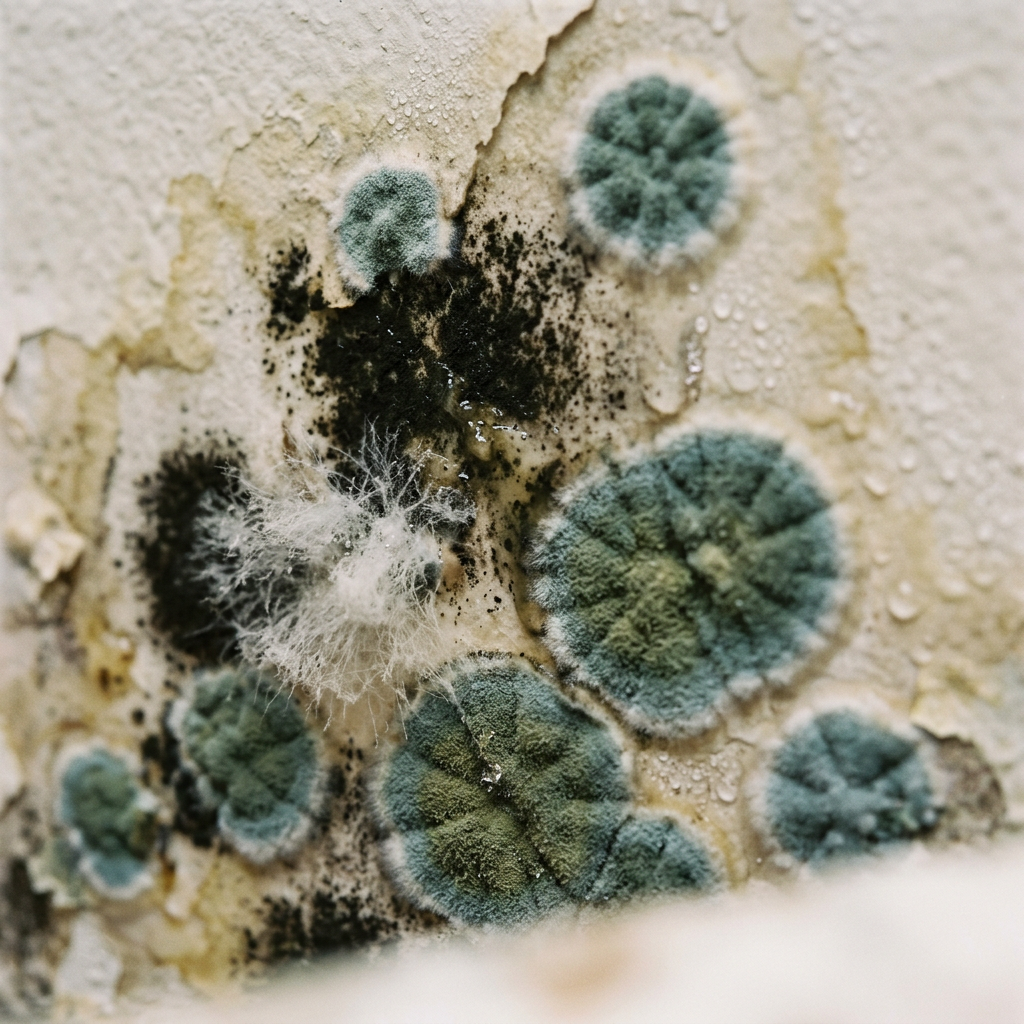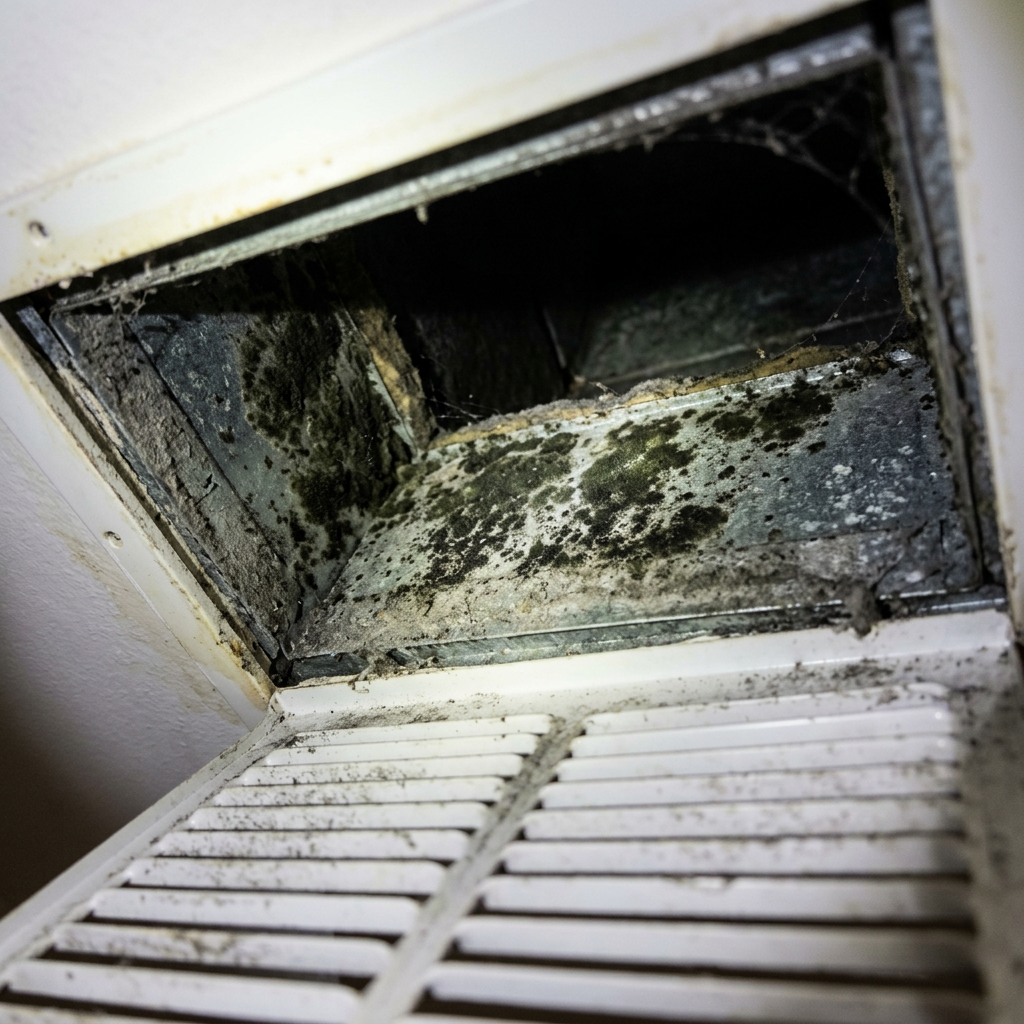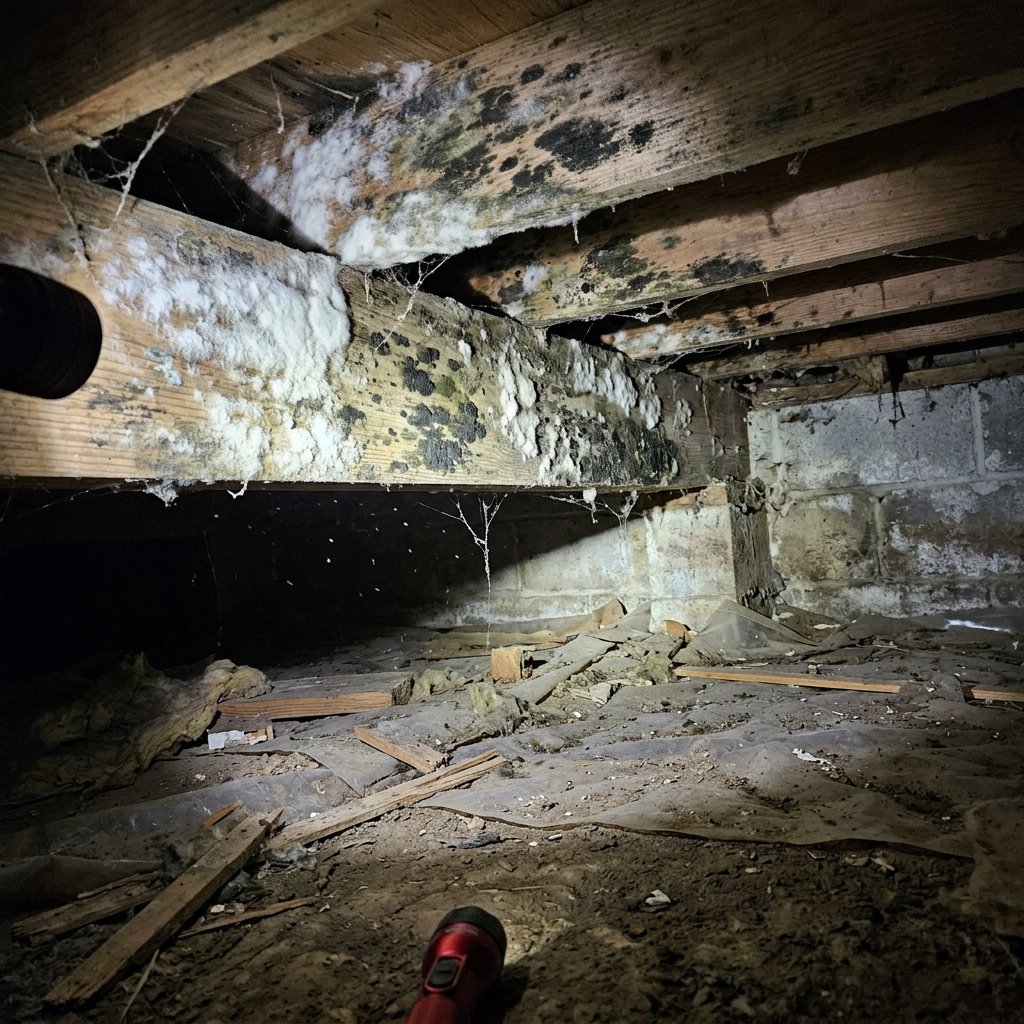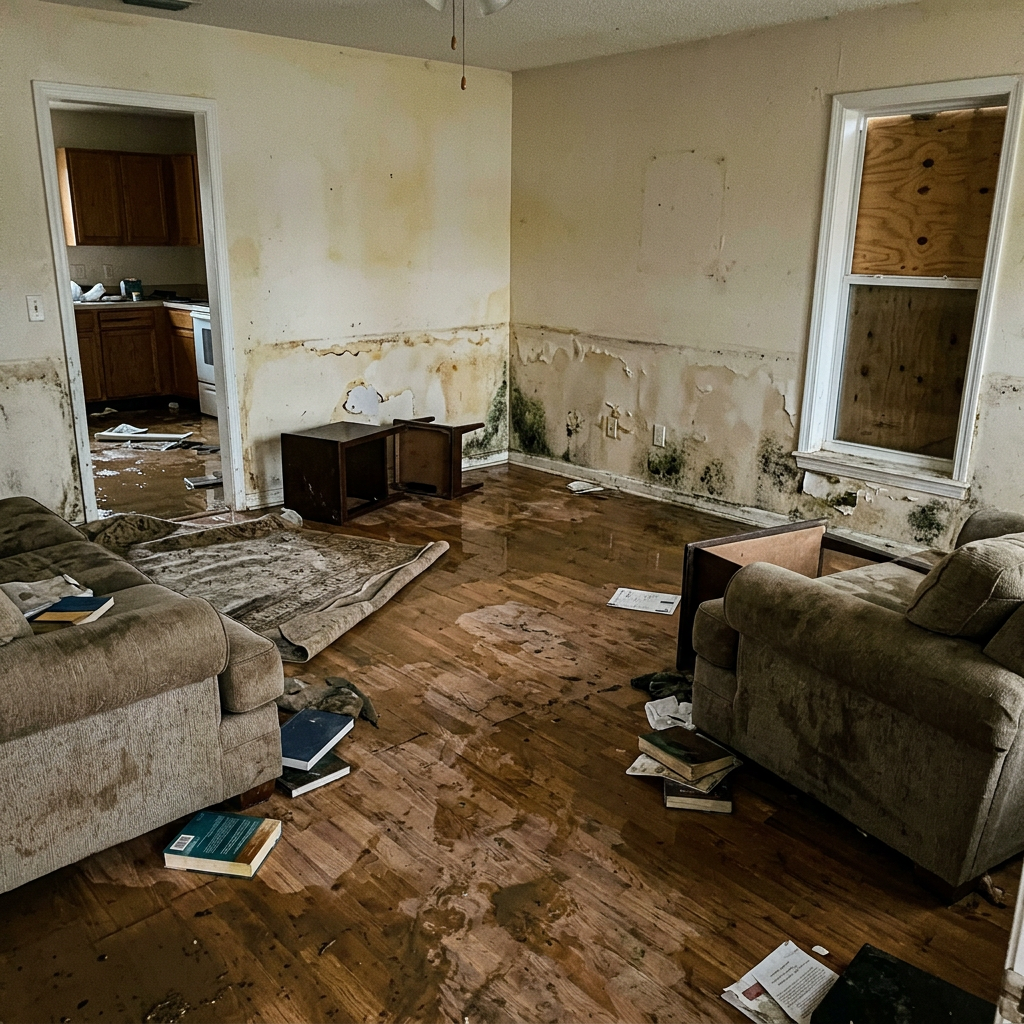
Hurricane season runs from June 1 through November 30, and Coral Springs sits in the heart of South Florida's storm corridor. Even when hurricanes don't make direct landfall in Broward County, the wind, rain, and power outages they bring create ideal conditions for mold growth. Here's what every Coral Springs homeowner needs to know.
The 48-Hour Window
The single most important fact about post-hurricane mold: mold begins growing within 24-48 hours of water exposure. In Florida's warm, humid climate, that timeline can be even shorter. This means the actions you take in the first two days after a storm determine whether you face a manageable cleanup or a full-scale mold remediation project.
Immediate Steps After a Hurricane
1. Ensure Safety First
Before entering your home after a hurricane:
- Check for structural damage — look for cracks in exterior walls, sagging roofs, or shifted foundations
- Turn off electricity at the main breaker if there's any standing water
- Wear protective gear — N95 mask, rubber boots, and gloves
- Document everything with photos and video for insurance claims
2. Remove Standing Water Immediately
Every hour water sits in your home, damage worsens. Use wet/dry vacuums, sump pumps, or call a professional water extraction service. In Coral Springs, we typically respond within 60 minutes for emergency water extraction.
3. Remove Wet Materials
Be aggressive about removing water-damaged materials:
- Carpet and padding — pull up immediately and discard. Carpet padding acts like a sponge and cannot be effectively dried.
- Drywall — cut away wet drywall at least 12 inches above the highest water line. Moisture wicks upward through drywall.
- Insulation — remove wet fiberglass batt insulation. It loses its R-value when wet and harbors mold.
- Furniture — move wet furniture outdoors to dry. Upholstered items that sat in water for 24+ hours should be discarded.
4. Begin Drying Everything
Mold needs moisture to grow. Your goal is to get everything dry within 48 hours:
- Open windows if outdoor humidity is below 60% (rare in summer, common in fall/winter storms)
- Run air movers and dehumidifiers — you need industrial equipment, not household fans
- Run your AC if you have power — it's the most effective dehumidifier in your home
- Focus on hidden areas — inside wall cavities, under cabinets, in crawl spaces
Common Hurricane Damage Scenarios in Coral Springs
Roof Leaks and Attic Mold
Wind-driven rain from hurricanes can compromise even relatively new roofs. Once water enters the attic, it saturates insulation and roof sheathing. Within days, black mold can colonize the entire attic.
What to do: Place tarps over damaged roof areas immediately. Have a professional inspect the attic for moisture. If insulation is wet, remove it before it causes widespread mold growth.
Window and Door Failures
Hurricane-force wind creates pressure differentials that can force water through seemingly sealed windows and doors. Water enters wall cavities where it's invisible but destructive.
What to do: Check around all windows and doors for water stains on interior walls. If drywall feels soft or looks discolored, there's moisture inside the wall that needs professional attention.
Power Outage Humidity
When the power goes out, your AC stops — and so does your home's primary dehumidification system. In summer months, indoor humidity can exceed 80% within hours. This moisture condenses on walls, ceilings, and inside wall cavities, creating widespread mold conditions even without direct water intrusion.
What to do: Battery-powered dehumidifiers and moisture absorbers (DampRid) can help in small spaces. Open interior doors for air circulation but keep windows closed to prevent more humid air from entering.
Insurance and Documentation
Florida homeowners insurance typically covers mold damage resulting from hurricane-related water intrusion, but you must act fast:
- Contact your insurance company within 48 hours of discovering damage
- Document everything — photos, videos, receipts for emergency repairs
- Don't discard damaged materials until the adjuster has inspected them (or photograph thoroughly before disposal)
- Keep all receipts for temporary repairs, lodging, and mitigation services
- Get professional remediation documentation — we provide detailed reports that support your claim
When to Call Professionals
While small, isolated water damage can sometimes be handled by homeowners, you need professional help when:
- Water damage covers more than 10 square feet
- Water sat for more than 48 hours before discovery
- Contaminated water (sewage backup, flood water) is involved
- Mold is already visible
- The affected area includes wall cavities, attics, or crawl spaces
Preparing for Next Season
The best time to prepare for hurricane mold is before the season starts:
- Inspect and repair roof flashing, seals, and shingles
- Install hurricane shutters or impact windows
- Seal gaps around windows and doors
- Clean gutters and downspouts
- Have tarps, wet/dry vacuums, and dehumidifiers ready
- Keep our number saved: (844) 393-2902
Gators Mold Medic provides 24/7 emergency response throughout hurricane season. We serve Coral Springs and all of Broward County with rapid water extraction and mold prevention services.
Need Mold Remediation in Coral Springs?
Free inspections. IICRC-certified. 24/7 emergency service throughout Broward County.